How Is Childhood Cancer Diagnosed? Tests Every Parent Should Know
Understanding Childhood Cancer Diagnosis
A suspected cancer diagnosis in a child can be an extremely stressful experience for parents. Many families have questions about how doctors confirm cancer, what tests are required, and what happens after abnormal symptoms or reports are identified.
Childhood cancer diagnosis involves a step-by-step evaluation process that includes medical history, physical examination, blood tests, imaging, and specialised investigations.
The goal of diagnosis is not only to confirm whether cancer is present but also to identify the exact type, stage, and characteristics of the disease. This helps doctors create the most effective treatment plan for each child.
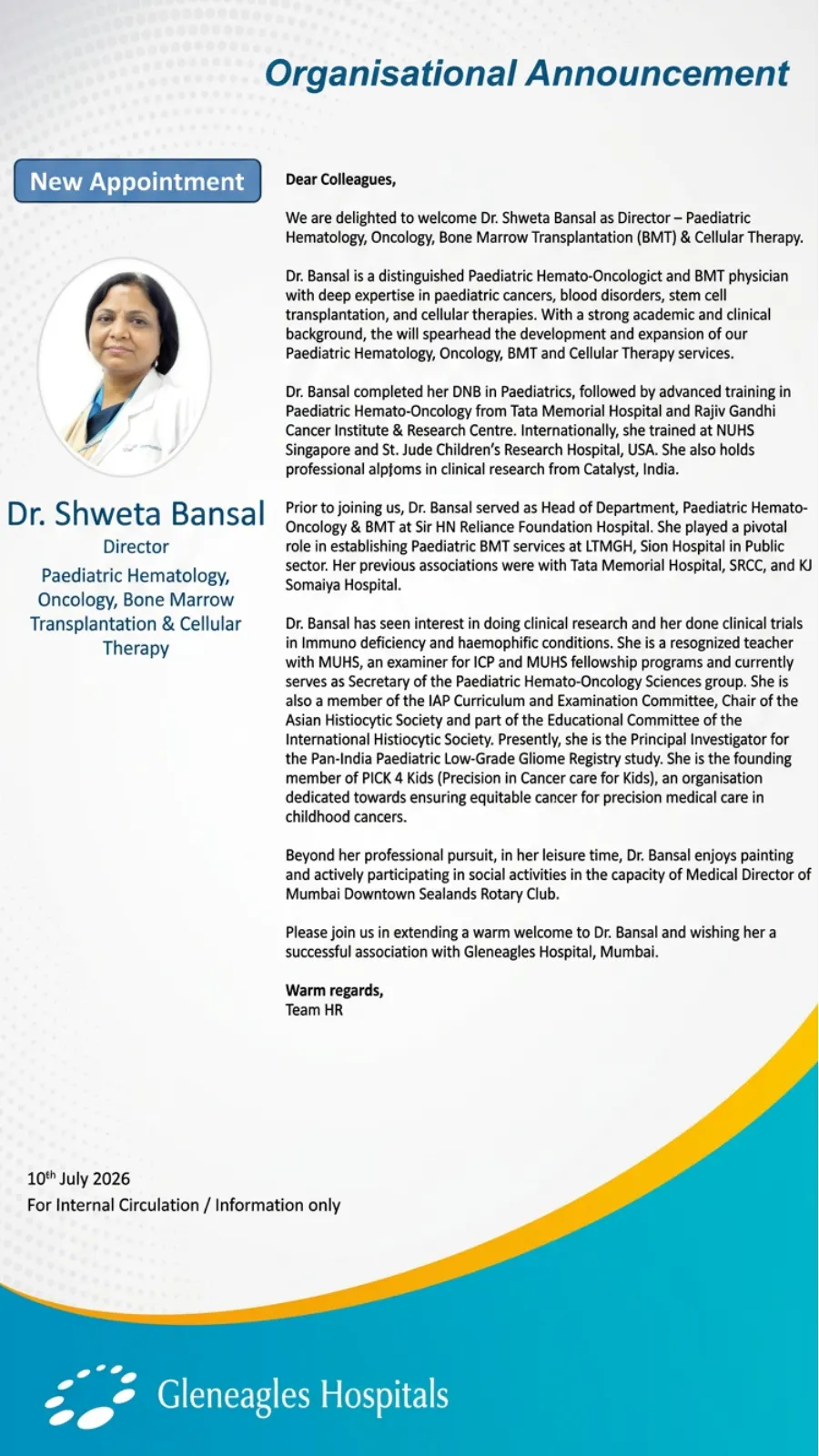
Dr. Shweta Bansal, a leading paediatric haemato-oncologist in Mumbai, provides expert diagnosis and treatment guidance for children with suspected blood cancers and other childhood cancers.
🩺 When Do Doctors Suspect Childhood Cancer?
Many symptoms in children are caused by common illnesses. However, certain persistent or unusual signs may require further evaluation.
Doctors may investigate childhood cancer if a child experiences:
- Persistent fever without a clear cause
- Unexplained weight loss
- Extreme tiredness or weakness
- Frequent infections
- Easy bruising or bleeding
- Persistent bone pain
- Unusual lumps or swelling
- Abnormal blood test results
These symptoms do not always indicate cancer, but proper evaluation helps identify the underlying cause.
🔍 Step-by-Step Process of Childhood Cancer Diagnosis
1. Detailed Medical History
The first step involves understanding the child's overall health and symptoms.
The doctor may ask about:
- When symptoms started
- Changes in appetite or weight
- Fever patterns
- Bleeding or bruising episodes
- Previous infections
- Family history of cancers or blood disorders
This information helps doctors decide which investigations may be required.
👩⚕️ 2. Physical Examination
A detailed physical examination helps doctors look for signs associated with different conditions.
The doctor may check:
- Lymph node enlargement
- Skin changes or bruising
- Signs of anemia
- Abdominal swelling
- Liver or spleen enlargement
- Bone or joint tenderness
- Overall growth and development
🩸 Important Tests Used to Diagnose Childhood Cancer
1. Complete Blood Count (CBC)
A Complete Blood Count is one of the first tests performed when blood cancer is suspected.
It measures:
- Red blood cells
- White blood cells
- Platelets
- Haemoglobin levels
Abnormal blood counts may suggest the need for further investigation.
2. Peripheral Blood Smear
This test examines blood cells under a microscope.
It helps doctors identify:
- Abnormal blood cells
- Changes in cell shape or appearance
- Possible signs of leukemia
3. Bone Marrow Examination
A bone marrow examination is an important test for diagnosing many childhood blood cancers, especially leukemia.
During this test, doctors examine bone marrow cells to determine:
- Whether abnormal cells are present
- Type of cancer
- Disease characteristics
The results help guide treatment planning.
4. Imaging Tests
Imaging helps doctors evaluate areas where cancer may be present.
Common imaging methods include:
- Ultrasound — Used to examine organs, swelling, or masses.
- CT Scan — Provides detailed images of internal structures.
- MRI — Helps evaluate soft tissues, bones, and specific areas of concern.
- PET Scan — May help identify areas of increased metabolic activity in certain cancers.
5. Lymph Node Biopsy
If a child has enlarged lymph nodes, doctors may recommend a biopsy.
During a biopsy:
- A small tissue sample is collected
- Cells are examined in a laboratory
- The exact cause of swelling is identified
This is commonly used in diagnosing lymphoma.
6. Genetic and Molecular Testing
Modern cancer diagnosis includes advanced laboratory testing to understand cancer cells at a molecular level.
These tests help identify:
- Specific genetic changes
- Risk classification
- Suitable treatment options
🧬 Why Accurate Diagnosis Is Important
Every child's cancer is different. Accurate diagnosis helps doctors understand:
- The exact type of cancer
- Disease severity
- Risk category
- Best treatment approach
- Expected response to therapy
Personalised diagnosis allows doctors to provide targeted and effective treatment plans.
💊 What Happens After Diagnosis?
Once diagnosis is confirmed, the healthcare team discusses:
- Type of cancer
- Treatment options
- Duration of therapy
- Expected outcomes
- Follow-up requirements
Treatment may include:
- Chemotherapy
- Targeted therapy
- Immunotherapy
- Radiation therapy in selected cases
- Bone marrow transplantation
The treatment plan depends on the child's specific condition.
🚨 When Should Parents Seek Specialist Advice?
Parents should consult a paediatric haemato-oncologist if their child has:
- Persistent unexplained fever
- Abnormal blood reports
- Frequent bruising or bleeding
- Enlarged lymph nodes that persist
- Unexplained tiredness or weakness
- Persistent bone pain
- Unusual lumps or swelling
Early evaluation can help identify the cause and begin appropriate care when needed.
👩⚕️ Expert Childhood Cancer Diagnosis and Care
Dr. Shweta Bansal is an experienced paediatric haemato-oncologist in India specialising in childhood cancers, blood disorders, and bone marrow transplantation.
She is the Head of the Paediatric Haemato-Oncology & Bone Marrow Transplant Department at Sir H. N. Reliance Foundation Hospital, Mumbai.
With over 20 years of experience, Dr. Bansal provides comprehensive care including diagnosis, second opinions, treatment planning, and long-term follow-up for children with complex blood disorders and cancers.
Families across India can also access expert guidance through online consultations.
Why Choose Dr. Shweta Bansal for Childhood Cancer Evaluation?
- Expertise in paediatric cancers and blood disorders
- Advanced diagnostic approach
- Experience with complex childhood cancer cases
- Personalised treatment planning
- Clear communication with families
- Online consultation support across India
📞 Book an Online Consultation
If your child has concerning symptoms or abnormal test results, expert evaluation can help understand the condition and guide the next steps.
Consult Dr. Shweta Bansal, a trusted paediatric haemato-oncologist in Mumbai, for expert diagnosis and treatment guidance.
Visit drshwetabansal.com to schedule an online consultation.
Frequently Asked Questions (FAQs)
Copyright © Childhood Cancer Care | Dr. Shweta Bansal.