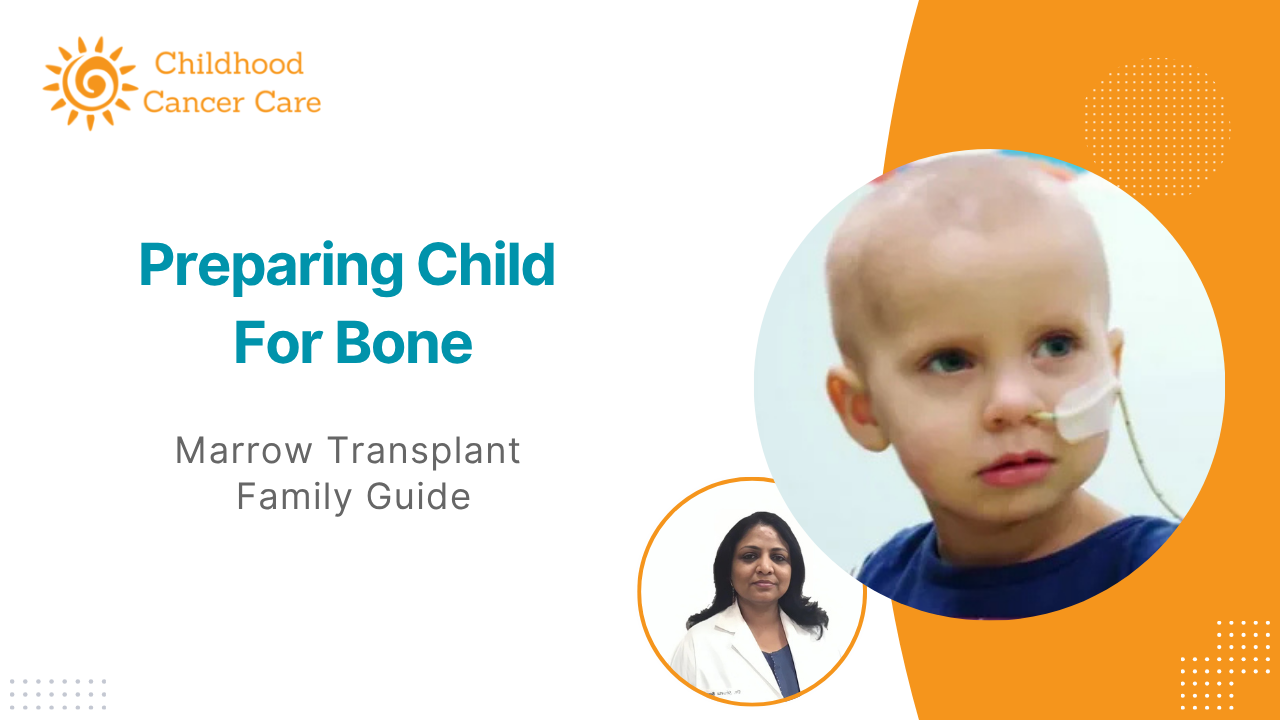
Preparing Your Child for Bone Marrow Transplant: Family Guide
Understanding Bone Marrow Transplant in Children
A bone marrow transplant (BMT), also known as hematopoietic stem cell transplant (HSCT), is a specialized treatment used for children with certain cancers, blood disorders, immune deficiencies, and other serious conditions.
For parents, the decision to proceed with a transplant can feel overwhelming. Understanding the process and preparing your child emotionally and physically can make the journey smoother.
With guidance from experienced pediatric oncologists like Dr. Shweta Bansal, families can better understand the transplant process, manage concerns, and support their child throughout treatment.
What Is a Bone Marrow Transplant?
A bone marrow transplant replaces unhealthy or damaged blood-forming cells with healthy stem cells. These new stem cells help the body produce:
- Healthy red blood cells
- White blood cells
- Platelets
Depending on the child’s condition, the transplant may involve:
- Autologous transplant: Using the child’s own healthy stem cells
- Allogeneic transplant: Using stem cells from a matched donor
The transplant approach depends on diagnosis, disease status, and overall health.
Why Do Children Need Bone Marrow Transplants?
A pediatric bone marrow transplant may be recommended for conditions such as:
- Leukemia and other childhood cancers
- Lymphoma
- Bone marrow failure disorders
- Genetic blood disorders
- Immune system disorders
The pediatric oncology team carefully evaluates whether transplant is the best treatment option for the child.
How Can Parents Prepare Their Child for Bone Marrow Transplant?
1. Explain the Treatment in a Child-Friendly Way
Children may feel anxious about hospitals, procedures, and unfamiliar environments.
Parents can help by:
- Explaining what will happen using simple words
- Encouraging questions
- Avoiding false reassurance
- Letting children express their fears
Age-appropriate explanations help children feel more comfortable and involved.
2. Prepare Emotionally Before the Transplant
Emotional preparation is an important part of the transplant journey.
Parents can support their child by:
- Maintaining a positive and calm environment
- Encouraging open conversations
- Providing comfort objects or favorite items
- Staying connected with family and friends
Professional counseling support may also help children and parents manage stress.
3. Understand the Transplant Process
Knowing the treatment stages can reduce anxiety. A bone marrow transplant usually involves:
- Evaluation Phase
Doctors perform detailed tests to assess:
- Overall health
- Disease status
- Organ function
- Donor compatibility (if required)
- Conditioning Therapy
The child may receive chemotherapy or radiation to:
- Remove unhealthy cells
- Prepare the body for new stem cells
- Stem Cell Infusion
Healthy stem cells are infused through a vein, similar to a blood transfusion.
- Recovery and Monitoring
The medical team closely monitors:
- Blood counts
- Infection risks
- Side effects
- Stem cell recovery
What Should Families Pack for Hospital Stay?
A child may need to stay in the hospital for an extended period. Helpful items include:
- Comfortable clothing
- Favorite toys or books
- Electronic devices for entertainment
- Personal hygiene items
- Photos or familiar objects from home
Always follow hospital guidelines regarding permitted items.
Nutrition Before and After Bone Marrow Transplant
Good nutrition supports recovery and overall strength.
Parents should focus on:
- Protein-rich foods
- Adequate hydration
- Safe food preparation
- Doctor-approved dietary plans
During certain phases of transplant, children may require special dietary precautions to reduce infection risks.
How Can Parents Reduce Infection Risk?
After transplant, immunity may be low, making infection prevention extremely important.
Families should follow:
- Regular hand hygiene
- Avoiding contact with sick individuals
- Safe food practices
- Maintaining clean surroundings
- Following medication schedules
The healthcare team provides specific precautions based on the child’s condition.
Supporting Your Child During Hospitalization
Long hospital stays can be challenging for children.
Parents can help by:
- Maintaining daily routines when possible
- Encouraging activities and hobbies
- Celebrating small milestones
- Staying emotionally available
Play, education, and creative activities can improve a child’s hospital experience.
Managing Side Effects After Bone Marrow Transplant
Children may experience temporary side effects such as:
- Fatigue
- Loss of appetite
- Nausea
- Mouth sores
- Increased infection risk
- Hair loss
The medical team provides supportive treatments to manage these symptoms and improve comfort.
Importance of Follow-Up Care After Transplant
Regular follow-up visits are essential after bone marrow transplant.
Doctors monitor:
- Blood cell recovery
- Disease response
- Possible complications
- Long-term health
Parents should maintain records of medications, symptoms, and medical reports for every visit.
How Parents Can Take Care of Themselves
A child’s transplant journey can be emotionally and physically demanding for families.
Parents should:
- Seek support from family and friends
- Communicate openly with the healthcare team
- Take adequate rest whenever possible
- Consider counseling support if needed
Taking care of yourself helps you provide better support to your child.
Role of Expert Pediatric Oncologists in Bone Marrow Transplant
Experienced specialists like Dr. Shweta Bansal guide families through:
- Understanding transplant eligibility
- Treatment planning
- Donor evaluation
- Managing complications
- Long-term follow-up care
Expert guidance helps families make informed decisions throughout the transplant journey.
Common Concerns About Bone Marrow Transplant in Children
- “My child will not tolerate the transplant.”
Pediatric transplant teams provide continuous monitoring and supportive care to manage treatment effects.
- “Bone marrow transplant means there are no other options.”
Transplant is considered only after evaluating the child’s condition and available treatment options.
- “Recovery ends after discharge.”
Long-term follow-up and monitoring are important for complete care.
Why Preparation Matters Before Bone Marrow Transplant
Proper preparation helps children and families:
- Understand the treatment journey
- Reduce anxiety and fear
- Improve cooperation during care
- Manage challenges effectively
- Feel more confident throughout recovery
A well-prepared family becomes an important part of the child’s treatment team.
Expert Pediatric Bone Marrow Transplant Care in India
Families seeking guidance for pediatric bone marrow transplant can consult Dr. Shweta Bansal for:
- Bone marrow transplant evaluation
- Childhood cancer treatment guidance
- Second opinions
- Transplant preparation and follow-up care
- Advanced pediatric oncology support
👉 Learn more or book consultation:
Conclusion
Preparing a child for bone marrow transplant involves medical planning, emotional support, and family involvement. Understanding each step helps parents provide confidence and comfort during this challenging journey.
With expert pediatric oncology care and proper preparation, families can approach bone marrow transplant with greater clarity and hope.
Frequently Asked Questions (FAQs)
Copyright © Childhood Cancer Care | Dr. Shweta Bansal.