Best Doctor for Bone Marrow Failure Syndromes Treatment in Mumbai, India
What Are Bone Marrow Failure Syndromes?
Bone marrow failure syndromes are a group of rare disorders in which the bone marrow fails to produce enough blood cells. The bone marrow is the soft, spongy tissue inside bones where blood cells (red blood cells, white blood cells, and platelets) are made.
These syndromes can be inherited (passed down from parents) or acquired (develop later in life). They can affect one or all types of blood cells, leading to anemia, increased risk of infections, and bleeding problems.
Types of Bone Marrow Failure Syndromes
Common bone marrow failure syndromes include:
- Aplastic Anemia: The bone marrow stops making enough new blood cells.
- Fanconi Anemia: An inherited condition that affects the bone marrow and can lead to various physical abnormalities.
- Diamond-Blackfan Anemia: A rare inherited disorder that primarily affects red blood cell production.
- Shwachman-Diamond Syndrome: A rare genetic disorder affecting the bone marrow, pancreas, and skeletal system.
- Dyskeratosis Congenita: A rare inherited condition that can cause bone marrow failure along with skin and nail abnormalities.
How Is It Treated?
Treatment for bone marrow failure syndromes depends on the specific type and severity of the condition. Options may include:
- Blood Transfusions: To replace missing blood cells and manage symptoms.
- Bone Marrow Transplant (BMT): The most definitive treatment, especially for severe cases. A healthy donor's bone marrow is transplanted to replace the failing marrow.
- Immunosuppressive Therapy: Medications to suppress the immune system if it's attacking the bone marrow.
- Growth Factors: Medications that stimulate the bone marrow to produce more blood cells.
- Supportive Care: Antibiotics to prevent infections, and medications to manage symptoms.
Early diagnosis and treatment are crucial for better outcomes. A bone marrow transplant can be curative for many patients, especially when performed at a young age.
Living With Bone Marrow Failure Syndromes
If your child has a bone marrow failure syndrome:
- Regular monitoring of blood counts is essential.
- Take precautions to prevent infections - wash hands frequently, avoid crowds during flu season.
- Avoid activities that could cause bleeding or bruising.
- Follow a healthy diet to support overall health.
- Keep all medical appointments and follow the treatment plan closely.
- Consider genetic counseling if planning for more children, as some syndromes are inherited.
Schedule Your Consultation Now
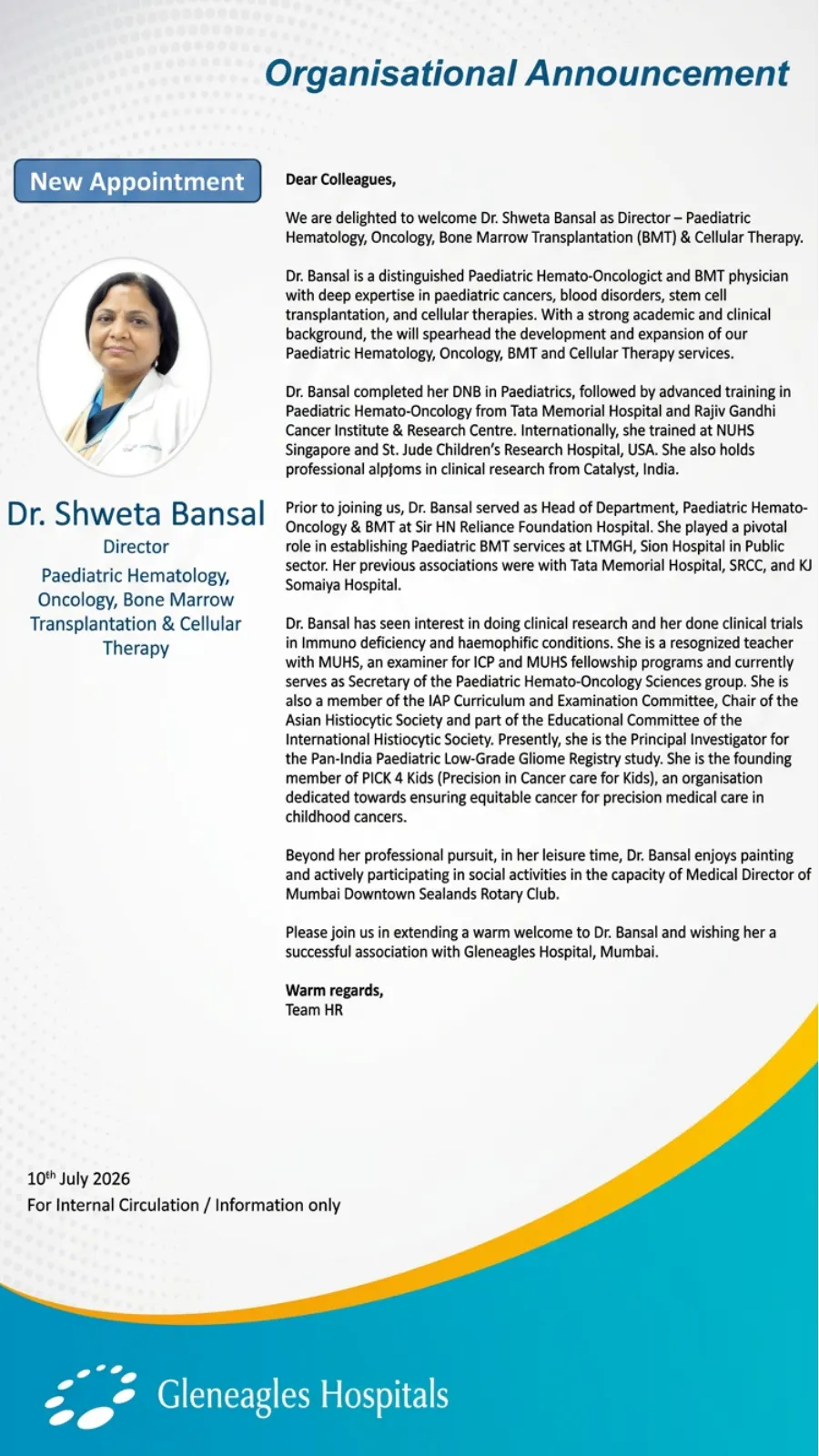
Dr. Shweta Bansal, a top pediatric hematologist-oncologist in Mumbai offers best treatment for Bone Marrow Failure Syndromes in Mumbai, India with effective care and support.
Pediatric Hematology
Copyright © Childhood Cancer Care | Dr. Shweta Bansal.