Low Platelet Count (Thrombocytopenia) in Children: Causes, Symptoms & Treatment
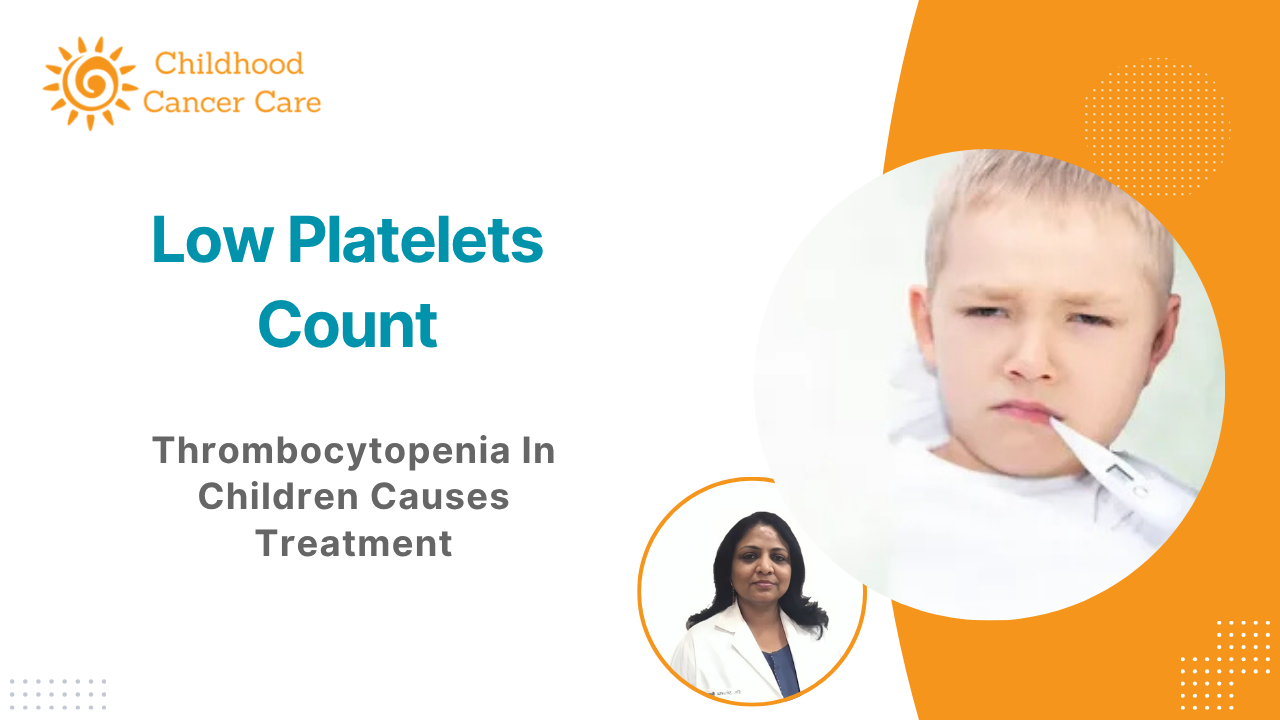
Understanding Low Platelet Count in Children
Platelets play an important role in helping blood clot and preventing excessive bleeding. When a child has fewer platelets than the normal range, the condition is known as thrombocytopenia or low platelet count.
Low platelet count in children can occur due to infections, immune-related conditions, bone marrow problems, or certain medical treatments. While some children may have mild symptoms, others may require careful evaluation and specialised treatment.
Early diagnosis and expert guidance are important to understand the underlying cause and provide the right care.
Dr. Shweta Bansal, a leading paediatric haemato-oncologist in Mumbai, provides expert evaluation and treatment guidance for children with blood disorders, including thrombocytopenia and related conditions.
🩺 What Is Thrombocytopenia in Children?
Thrombocytopenia refers to a condition where the platelet count in the blood is lower than the expected level for a child's age.
Platelets help stop bleeding by forming clots whenever there is an injury. When platelet levels become very low, children may experience easy bruising, frequent bleeding, or tiny red spots on the skin.
A normal platelet count is usually between 150,000 and 450,000 platelets per microlitre of blood. A count below this range may require further medical assessment.
🧬 Causes of Low Platelet Count in Children
Several conditions can lead to thrombocytopenia in children, including:
1. Immune Thrombocytopenia (ITP)
Immune thrombocytopenia (ITP) is one of the most common causes of low platelet count in children. In this condition, the immune system mistakenly attacks and destroys healthy platelets.
ITP may develop after viral infections and can sometimes improve on its own, while some children may require treatment.
2. Viral Infections
Certain viral infections can temporarily reduce platelet production or increase platelet destruction.
Common infections associated with low platelet count include:
- Dengue infection
- Viral fever
- Epstein-Barr virus (EBV)
- Other childhood viral illnesses
3. Bone Marrow Disorders
The bone marrow produces blood cells, including platelets. Conditions affecting bone marrow function may reduce platelet production.
These may include:
- Bone marrow failure syndromes
- Leukaemia
- Other blood disorders
4. Nutritional Deficiencies
Deficiency of certain nutrients, such as vitamin B12 and folate, may affect blood cell production and contribute to abnormal blood counts.
5. Medicines and Medical Treatments
Some medications and treatments, including chemotherapy, may affect platelet production or increase platelet destruction.
⚠️ Symptoms of Low Platelet Count in Children
Symptoms depend on how low the platelet count is and the underlying cause.
Common signs include:
- Easy bruising: Children may develop bruises even after minor injuries.
- Small red or purple spots on the skin (Petechiae): Tiny spots caused by bleeding under the skin.
- Frequent nosebleeds: Low platelet levels may make bleeding harder to stop.
- Bleeding gums: Some children may experience gum bleeding.
- Heavy bleeding after injuries: Cuts or wounds may take longer to stop bleeding.
- Blood in urine or stool: In severe cases, internal bleeding signs may occur.
🔍 How Is Thrombocytopenia Diagnosed?
A paediatric haemato-oncologist evaluates the child through:
- Complete Blood Count (CBC): A CBC test measures platelet levels along with red and white blood cells.
- Peripheral Blood Smear: This test helps examine the appearance and quality of blood cells.
- Medical History & Physical Examination: Doctors assess symptoms, recent infections, medications, and family history.
- Bone Marrow Examination (If Required): In selected cases, a bone marrow test may be recommended to understand platelet production.
💊 Treatment Options for Low Platelet Count in Children
Treatment depends on:
- The platelet count level
- Severity of symptoms
- Underlying cause
- Overall health of the child
Treatment approaches may include:
- Observation and Monitoring: Some children with mild thrombocytopenia may only require regular monitoring without immediate treatment.
- Medicines: Doctors may prescribe medications that help increase platelet levels or reduce immune-related platelet destruction.
- Immunotherapy: Children with immune-related thrombocytopenia may benefit from treatments that regulate immune system activity.
- Blood or Platelet Transfusion: In severe cases with significant bleeding, platelet transfusion may be required.
- Treatment of Underlying Condition: If thrombocytopenia occurs due to infections, bone marrow disorders, or other medical conditions, treating the root cause is essential.
👩⚕️ Expert Care for Children With Blood Disorders
Dr. Shweta Bansal is a specialised paediatric haemato-oncologist in Mumbai with extensive experience in managing childhood blood disorders, cancers, and bone marrow-related conditions.
As the Head of Paediatric Haemato-Oncology & Bone Marrow Transplant Department at Sir H. N. Reliance Foundation Hospital, Mumbai, Dr. Bansal provides comprehensive care for children requiring specialised blood disorder evaluation and treatment.
Families across India can also access expert guidance through online consultations for diagnosis, second opinions, and treatment planning.
Why Consult Dr. Shweta Bansal for Childhood Thrombocytopenia?
- Extensive experience in paediatric blood disorders
- Expertise in thrombocytopenia, leukaemia, and bone marrow conditions
- Personalised treatment planning for every child
- Advanced diagnostic and treatment approaches
- Online consultation support for families across India
📞 Book an Online Consultation
If your child has a low platelet count, unexplained bruising, or repeated bleeding episodes, timely medical evaluation is important.
Consult Dr. Shweta Bansal, a trusted paediatric haemato-oncologist in India, for expert guidance on thrombocytopenia and childhood blood disorders.
Schedule an Online ConsultationFrequently Asked Questions (FAQs)
Copyright © Childhood Cancer Care | Dr. Shweta Bansal.