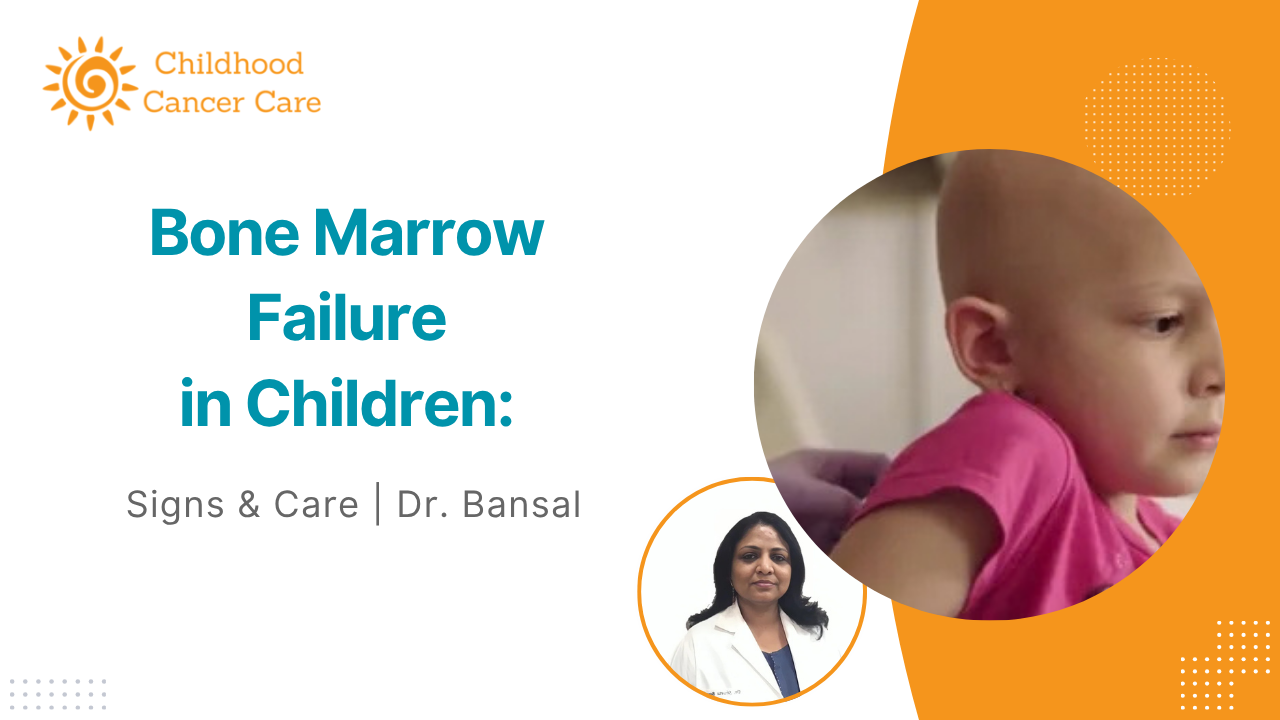
Bone Marrow Failure in Children: Signs Every Parent Should Know
Understanding Bone Marrow Failure in Children
Bone marrow plays a vital role in producing healthy blood cells, including red blood cells, white blood cells, and platelets. When the bone marrow does not produce enough healthy blood cells, it can lead to a condition known as bone marrow failure.
Bone marrow failure in children can affect their ability to fight infections, carry oxygen efficiently, and prevent excessive bleeding. Early recognition of symptoms and timely medical evaluation are important for effective management.
The condition may occur due to inherited genetic disorders, immune-related problems, infections, or other medical causes.
Dr. Shweta Bansal, a leading paediatric haemato-oncologist in Mumbai, provides specialised evaluation and treatment guidance for children with bone marrow failure and complex blood disorders.
🧬 What Is Bone Marrow Failure?
Bone marrow is the soft tissue inside bones responsible for producing blood cells.
A healthy bone marrow produces:
- Red blood cells to carry oxygen
- White blood cells to fight infections
- Platelets to control bleeding
In bone marrow failure, the marrow becomes unable to produce enough healthy blood cells, resulting in:
- Anemia
- Increased risk of infections
- Easy bleeding or bruising
The severity of symptoms depends on which blood cell lines are affected and how significantly production is reduced.
Causes of Bone Marrow Failure in Children
Bone marrow failure can develop due to several reasons.
1. Inherited Genetic Conditions
Some children are born with genetic conditions that affect bone marrow function. Examples include:
- Fanconi anemia
- Dyskeratosis congenita
- Other inherited bone marrow failure syndromes
These conditions may require long-term specialist monitoring.
2. Acquired Bone Marrow Failure
In some children, bone marrow failure develops later due to:
- Immune system abnormalities
- Certain infections
- Exposure to specific medicines or chemicals
- Unknown causes (idiopathic)
⚠️ Signs and Symptoms of Bone Marrow Failure in Children
Symptoms may appear gradually or develop suddenly depending on the severity of the condition.
1. Extreme Tiredness and Weakness
Low red blood cell levels can reduce oxygen supply to the body, causing:
- Fatigue
- Weakness
- Reduced activity levels
- Pale skin
2. Frequent or Severe Infections
Low white blood cell counts can make children more vulnerable to infections. Parents may notice:
- Repeated fever episodes
- Frequent infections
- Slow recovery from illnesses
3. Easy Bruising and Bleeding
Low platelet levels can cause:
- Easy bruising
- Nosebleeds
- Gum bleeding
- Small red spots on skin (petechiae)
4. Poor Growth and Development
Some children with chronic bone marrow disorders may experience:
- Delayed growth
- Reduced weight gain
- Developmental concerns
5. Bone or Physical Abnormalities
Certain inherited bone marrow failure syndromes may be associated with physical changes that require specialist evaluation.
🔍 How Is Bone Marrow Failure Diagnosed?
Early diagnosis helps determine the cause and appropriate treatment approach.
1. Complete Blood Count (CBC)
A CBC is one of the first tests performed. It evaluates:
- Red blood cells
- White blood cells
- Platelets
- Haemoglobin levels
Abnormal results may suggest bone marrow problems.
2. Bone Marrow Examination
A bone marrow aspiration or biopsy helps doctors evaluate:
- Number of blood-forming cells
- Bone marrow activity
- Presence of abnormal cells
This test provides important information for diagnosis.
3. Genetic Testing
Genetic tests may be recommended to identify inherited bone marrow failure syndromes. These tests help:
- Confirm diagnosis
- Understand disease risks
- Guide treatment decisions
4. Additional Blood Tests
Doctors may recommend additional investigations to evaluate:
- Immune function
- Viral infections
- Nutritional deficiencies
- Other possible causes
💊 Treatment Options for Bone Marrow Failure in Children
Treatment depends on the cause, severity, and overall health of the child.
1. Supportive Care
Supportive treatment may include:
- Blood transfusions
- Platelet transfusions
- Infection prevention measures
- Medicines to support blood cell production
2. Medicines
Certain medicines may help improve blood cell production or control immune-related causes of bone marrow failure. Treatment is personalised based on the child's condition.
3. Bone Marrow Transplantation
For children with severe bone marrow failure, bone marrow transplantation may provide a potential cure. During transplantation:
- Healthy stem cells from a suitable donor are introduced
- These cells produce healthy blood cells
- Normal marrow function may be restored
The decision depends on:
- Disease severity
- Child's age
- Overall health
- Donor availability
4. Long-Term Monitoring
Children with bone marrow failure require regular follow-up to monitor:
- Blood counts
- Treatment response
- Growth and development
- Possible complications
🏥 Importance of Early Medical Evaluation
Early diagnosis can help:
- ✔️ Identify the underlying cause
- ✔️ Prevent serious infections and bleeding complications
- ✔️ Start appropriate treatment early
- ✔️ Improve long-term outcomes
Parents should not ignore persistent symptoms such as unexplained tiredness, repeated infections, or unusual bleeding.
👩⚕️ Expert Care for Childhood Bone Marrow Failure
Dr. Shweta Bansal is an experienced paediatric haemato-oncologist in India specialising in childhood blood disorders, bone marrow failure syndromes, and bone marrow transplantation.
She is the Head of the Paediatric Haemato-Oncology & Bone Marrow Transplant Department at Sir H. N. Reliance Foundation Hospital, Mumbai.
With over 20 years of experience, Dr. Bansal provides comprehensive care including diagnosis, treatment planning, transplant evaluation, and long-term monitoring for children with complex blood disorders.
Families across India can access expert guidance through online consultations.
Why Choose Dr. Shweta Bansal for Bone Marrow Failure Care?
- ✔️ Expertise in childhood blood disorders
- ✔️ Experience managing bone marrow failure conditions
- ✔️ Advanced diagnostic approach
- ✔️ Personalised treatment strategies
- ✔️ Bone marrow transplant expertise
- ✔️ Online consultation support across India
📞 Book an Online Consultation
If your child has symptoms such as persistent anemia, frequent infections, or unusual bleeding, specialist evaluation can help identify the cause.
Consult Dr. Shweta Bansal, a trusted paediatric haemato-oncologist in Mumbai, for expert diagnosis and treatment guidance.
Schedule an Online ConsultationFrequently Asked Questions (FAQs)
Copyright © Childhood Cancer Care | Dr. Shweta Bansal.