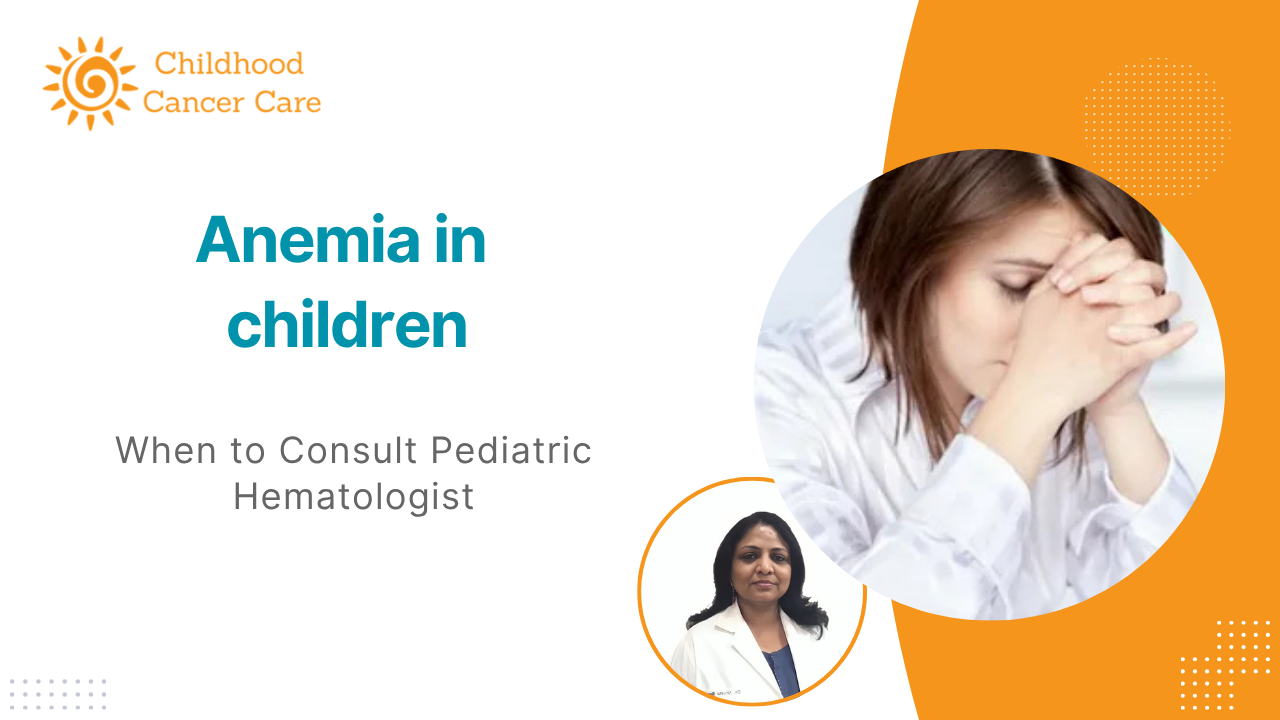
Anemia in Children: When Should You Consult a Pediatric Hematologist?
Understanding Anemia in Children
Anemia is one of the most common blood conditions affecting children. It occurs when the body does not have enough healthy red blood cells or haemoglobin to carry oxygen effectively to different organs. Mild anemia may cause tiredness or weakness, while severe or long-lasting anemia can affect a child's growth, learning ability, immunity, and overall development.
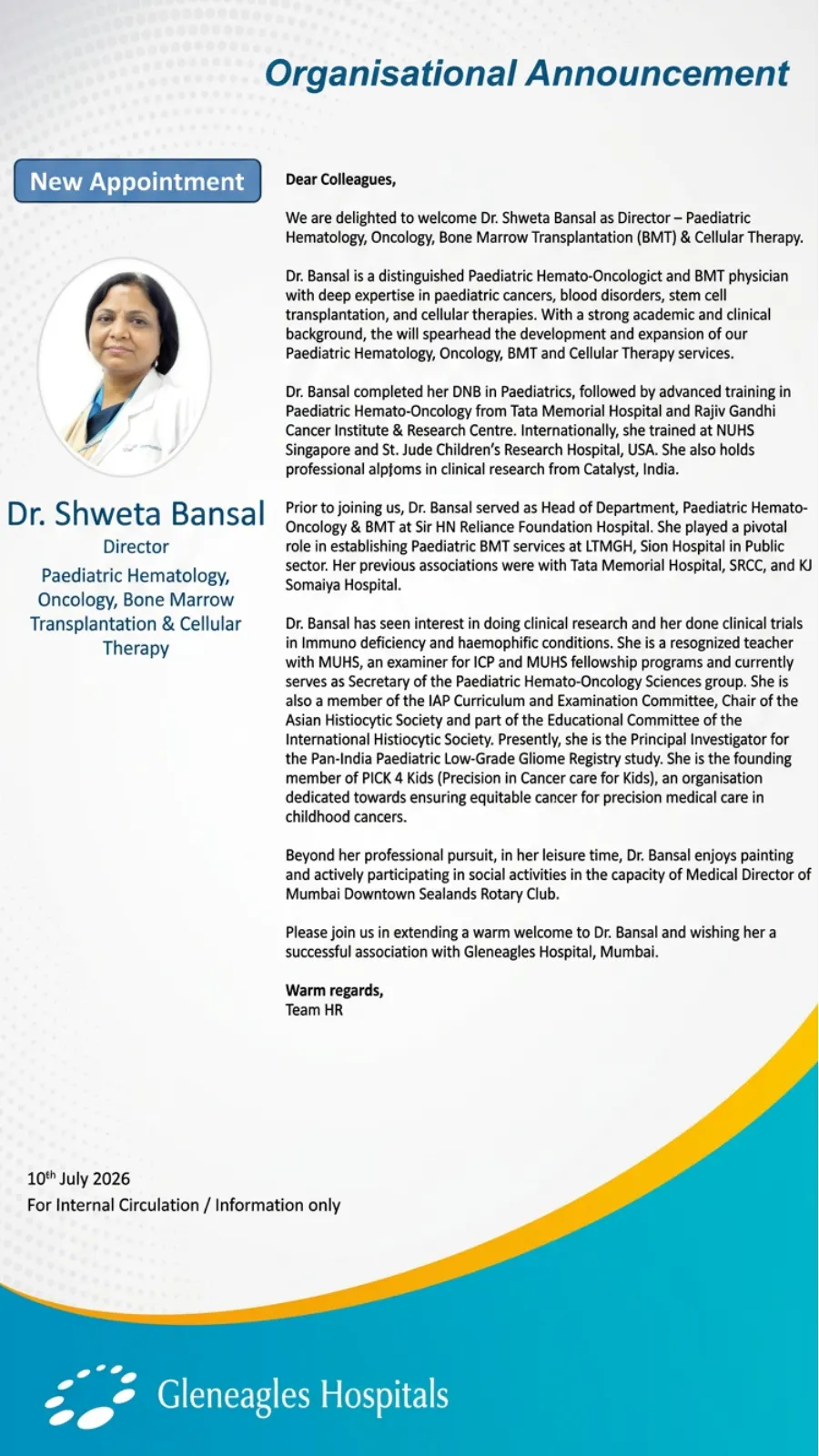
Understanding the cause of anemia is important because treatment depends on the underlying reason. While some cases improve with nutritional support, others may require evaluation by a specialised doctor. Dr. Shweta Bansal, a leading paediatric haemato-oncologist in Mumbai, provides expert diagnosis and treatment guidance for children with anemia and other blood disorders.
🩸 What Is Anemia in Children?
Anemia occurs when a child's haemoglobin level falls below the normal range required for their age. Haemoglobin is a protein present in red blood cells that carries oxygen throughout the body. When haemoglobin levels are low, the body may not receive enough oxygen, leading to symptoms such as fatigue, pale skin, and reduced energy. Children may develop anemia due to:
- Nutritional deficiencies
- Blood loss
- Inherited blood disorders
- Bone marrow problems
- Chronic illnesses
Identifying the exact cause helps doctors provide the right treatment approach.
🧬 Common Causes of Anemia in Children
1. Iron Deficiency Anemia
Iron deficiency is the most common cause of anemia in children. Iron is essential for haemoglobin production. Children may develop iron deficiency due to:
- Poor iron intake in diet
- Increased iron requirements during growth
- Limited absorption of iron
- Excessive milk consumption without balanced nutrition
2. Vitamin Deficiencies
Deficiency of vitamins such as vitamin B12 and folate can affect red blood cell production. These deficiencies may lead to larger-than-normal red blood cells and reduced oxygen-carrying capacity.
3. Inherited Blood Disorders
Some children inherit conditions that affect haemoglobin production. Examples include:
- Thalassemia
- Sickle cell disease
- Other hereditary blood disorders
These conditions may require long-term monitoring and specialised care.
4. Blood Loss
Blood loss can occur due to:
- Injury or surgery
- Gastrointestinal bleeding
- Certain medical conditions
Continuous blood loss may gradually reduce haemoglobin levels.
5. Bone Marrow Disorders
The bone marrow produces blood cells, including red blood cells. Conditions affecting bone marrow function may reduce blood cell production. These may include:
- Bone marrow failure syndromes
- Leukaemia
- Other blood disorders
⚠️ Symptoms of Anemia in Children
Symptoms may vary depending on the severity and cause of anemia. Common signs include:
- Pale skin or pale lips: Low haemoglobin levels may make the skin and lips appear less pink.
- Tiredness and weakness: Children may feel exhausted even after normal activities.
- Reduced concentration: Anemia can affect attention, learning, and school performance.
- Shortness of breath: Some children may experience breathing difficulty during physical activity.
- Fast heartbeat: The heart may work harder to supply oxygen to the body.
- Poor appetite: Some children may show reduced interest in eating.
- Delayed growth or development: Long-term anemia may affect physical and cognitive development.
🔍 How Is Anemia Diagnosed in Children?
A paediatric haemato-oncologist may recommend different tests depending on symptoms and medical history.
Complete Blood Count (CBC)
A CBC measures:
- Haemoglobin levels
- Red blood cell count
- Size and appearance of blood cells
Peripheral Blood Smear
This test helps examine the shape and characteristics of red blood cells.
Iron Studies
Tests such as serum ferritin and iron levels help identify iron deficiency.
Vitamin Level Tests
Vitamin B12 and folate levels may be checked if nutritional deficiency is suspected.
Genetic Testing
Children with suspected inherited blood disorders may require specialised genetic evaluation.
👩⚕️ When Should You Consult a Pediatric Hematologist?
Not every child with anemia requires specialised care. However, consultation with a paediatric haemato-oncologist may be recommended when:
- Anemia does not improve with routine treatment
- Haemoglobin levels are significantly low
- The cause of anemia is unclear
- There is a family history of blood disorders
- A child requires repeated blood transfusions
- Symptoms such as severe fatigue, bleeding, or frequent infections are present
- Tests suggest a bone marrow or inherited blood disorder
Early consultation helps identify serious conditions and ensures timely management.
💊 Treatment Options for Anemia in Children
Treatment depends on the underlying cause.
Nutritional Support
Children with nutritional anemia may require:
- Iron supplements
- Vitamin B12 supplementation
- Folate supplementation
- Dietary modifications
Medicines
Certain conditions may require medications to improve blood production or manage the underlying disorder.
Blood Transfusion
Children with severe anemia or certain blood disorders may require blood transfusions under specialist supervision.
Management of Inherited Disorders
Conditions such as thalassemia or sickle cell disease require specialised long-term care plans.
🩺 Expert Care for Childhood Blood Disorders
Dr. Shweta Bansal is an experienced paediatric haemato-oncologist in India specialising in childhood blood disorders, cancers, and bone marrow-related conditions. She is the Head of the Paediatric Haemato-Oncology & Bone Marrow Transplant Department at Sir H. N. Reliance Foundation Hospital, Mumbai.
With extensive experience in managing complex blood conditions, Dr. Bansal provides personalised treatment guidance for children requiring specialised evaluation and care. Families across India can also access expert advice through online consultations.
Why Choose Dr. Shweta Bansal for Childhood Anemia Evaluation?
- Expertise in paediatric blood disorders
- Extensive experience in diagnosing complex anemia cases
- Specialised care for inherited blood disorders and bone marrow conditions
- Evidence-based treatment planning
- Online consultation support for families across India
📞 Book an Online Consultation
If your child has persistent tiredness, pale skin, abnormal blood reports, or unexplained anemia, seeking expert medical advice can help identify the cause early. Consult Dr. Shweta Bansal, a trusted paediatric haemato-oncologist in Mumbai, for expert evaluation and treatment guidance.
Schedule an Online ConsultationFrequently Asked Questions (FAQs)
Copyright © Childhood Cancer Care | Dr. Shweta Bansal.