Swollen Lymph Nodes in Children: When Are They a Cause for Concern?
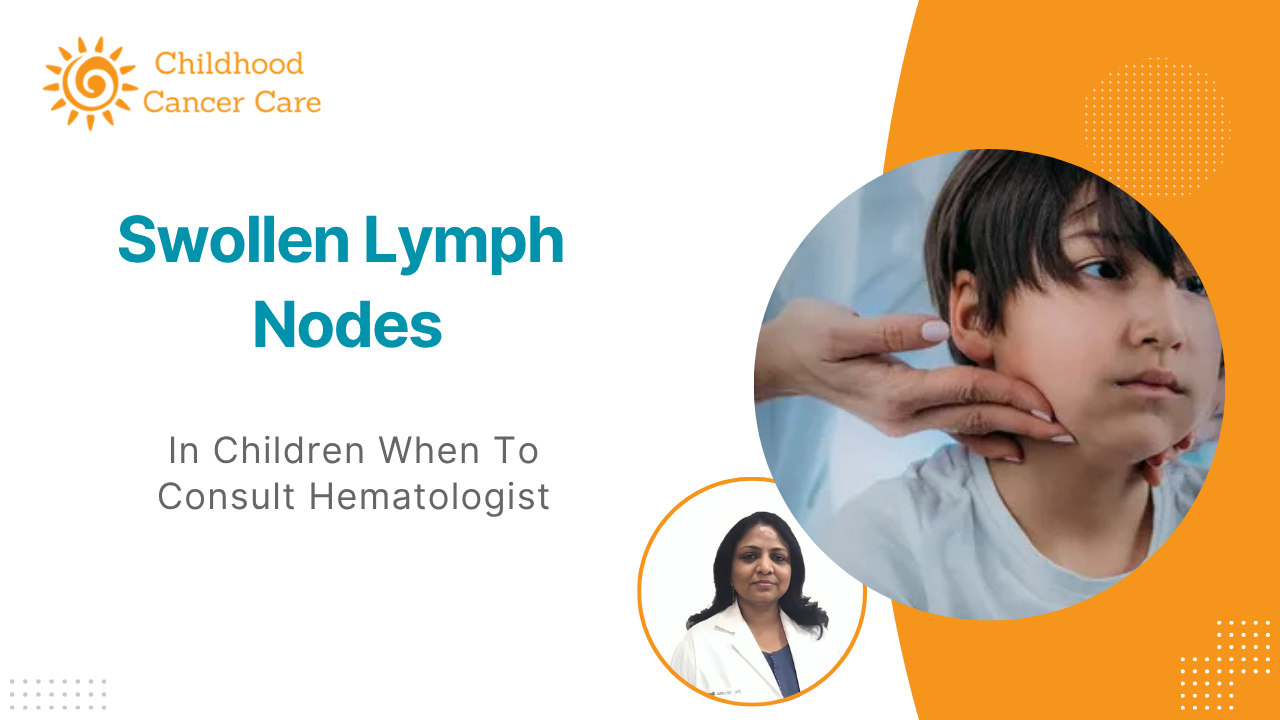
Understanding Swollen Lymph Nodes in Children
Finding a lump or swelling in your child's neck, underarm, or other areas can naturally worry parents. In many cases, swollen lymph nodes in children are a normal response of the immune system to infections such as cold, throat infections, or viral illnesses.
However, persistent, rapidly growing, or unusual lymph node swelling may require further evaluation to understand the underlying cause.
Lymph node enlargement can occur due to infections, inflammatory conditions, immune disorders, or rarely, blood-related cancers. Early assessment helps identify whether the swelling is harmless or needs specialised care.
Dr. Shweta Bansal, a leading paediatric haemato-oncologist in Mumbai, provides expert evaluation and treatment guidance for children with lymph node swelling and related blood disorders.
🧬 What Are Lymph Nodes?
Lymph nodes are small, bean-shaped structures that are part of the body's immune system. They help the body:
- Filter harmful substances
- Fight infections
- Produce immune cells
- Respond to bacteria and viruses
Children commonly develop swollen lymph nodes because their immune systems are actively responding to new infections.
Common locations where lymph nodes may become noticeable include:
- Neck (cervical lymph nodes)
- Under the jaw
- Behind the ears
- Armpits
- Groin area
🩺 Why Do Lymph Nodes Swell in Children?
Swollen lymph nodes, also called lymphadenopathy, can occur due to several reasons.
1. Common Infections
The most frequent cause of swollen lymph nodes in children is an infection. Examples include:
- Common cold
- Tonsillitis
- Throat infections
- Ear infections
- Viral fever
- Skin infections
These lymph nodes usually become smaller once the infection improves.
2. Viral Illnesses
Many viral infections can cause temporary lymph node enlargement. These may include:
- Epstein-Barr virus (EBV)
- Cytomegalovirus (CMV)
- Influenza
- Other childhood viral infections
The swelling may continue for some time even after the child recovers.
3. Bacterial Infections
Certain bacterial infections can cause lymph nodes to become enlarged, tender, and painful. Some examples include:
- Bacterial throat infections
- Tuberculosis (TB)
- Local skin infections
Treatment depends on identifying and managing the underlying infection.
4. Immune and Inflammatory Conditions
Some autoimmune or inflammatory conditions can cause persistent lymph node swelling. These conditions may require evaluation by a specialist.
5. Blood Disorders and Cancers
Although uncommon, swollen lymph nodes can sometimes be associated with blood-related conditions such as:
This is why persistent or unusual lymph node swelling should not be ignored.
⚠️ When Are Swollen Lymph Nodes a Cause for Concern?
Most swollen lymph nodes in children are harmless. However, parents should seek medical advice if they notice:
Persistent Swelling
Lymph nodes that remain enlarged for several weeks or continue increasing in size need evaluation.
Rapid Growth
A lymph node that grows quickly should be assessed by a doctor.
Hard or Fixed Lymph Nodes
Nodes that feel hard, irregular, or do not move easily may require further investigation.
Swelling Without Infection Symptoms
Lymph node enlargement without fever, cold, or any obvious infection may need evaluation.
Associated Warning Signs
Consult a specialist if swelling is accompanied by:
- Unexplained weight loss
- Persistent fever
- Night sweats
- Extreme tiredness
- Loss of appetite
- Easy bruising or bleeding
- Frequent infections
🔍 How Are Swollen Lymph Nodes Diagnosed?
A paediatric haemato-oncologist evaluates lymph node swelling through:
Medical History and Physical Examination
Doctors assess:
- Duration of swelling
- Size and location of lymph nodes
- Associated symptoms
- Recent infections
- Family history
Blood Tests
A Complete Blood Count (CBC) may help identify:
- Infection-related changes
- Abnormal blood cell counts
- Possible blood disorders
Imaging Tests
Depending on the situation, doctors may recommend:
- Ultrasound of lymph nodes
- Chest X-ray
- Other imaging studies
Lymph Node Biopsy
In selected cases, a biopsy may be advised to examine the lymph node tissue and identify the exact cause.
💊 Treatment for Swollen Lymph Nodes in Children
Treatment depends on the underlying reason.
Observation
If swelling is related to a common infection and the child is otherwise healthy, doctors may recommend monitoring.
Medicines
Treatment may include:
- Antibiotics for bacterial infections
- Medicines for specific infections
- Supportive care for viral illnesses
Specialist Treatment
If lymph node swelling is linked to blood disorders or cancers, specialised treatment plans may include:
- Chemotherapy
- Immunotherapy
- Targeted treatments
- Other advanced therapies
👩⚕️ Expert Evaluation for Childhood Lymph Node Disorders
Dr. Shweta Bansal is an experienced paediatric haemato-oncologist in India specialising in childhood blood disorders, cancers, and bone marrow-related conditions.
She is the Head of the Paediatric Haemato-Oncology & Bone Marrow Transplant Department at Sir H. N. Reliance Foundation Hospital, Mumbai.
With extensive experience in diagnosing complex blood conditions, Dr. Bansal provides personalised care for children with abnormal blood reports, lymph node swelling, and suspected haematological disorders.
Families across India can access expert guidance through online consultations.
Why Choose Dr. Shweta Bansal for Childhood Lymph Node Evaluation?
- Expertise in paediatric haemato-oncology and blood disorders
- Experience in evaluating unexplained lymph node swelling
- Advanced diagnostic approach for complex conditions
- Personalised treatment plans for children
- Online consultation support for families across India
📞 Book an Online Consultation
If your child has persistent swollen lymph nodes, unexplained fever, weight loss, or abnormal blood reports, timely evaluation can help identify the cause.
Consult Dr. Shweta Bansal, a trusted paediatric haemato-oncologist in Mumbai, for expert guidance and treatment planning.
Schedule an Online ConsultationFrequently Asked Questions (FAQs)
Copyright © Childhood Cancer Care | Dr. Shweta Bansal.