Signs & Early Symptoms of Childhood Cancer Every Parent Must Know
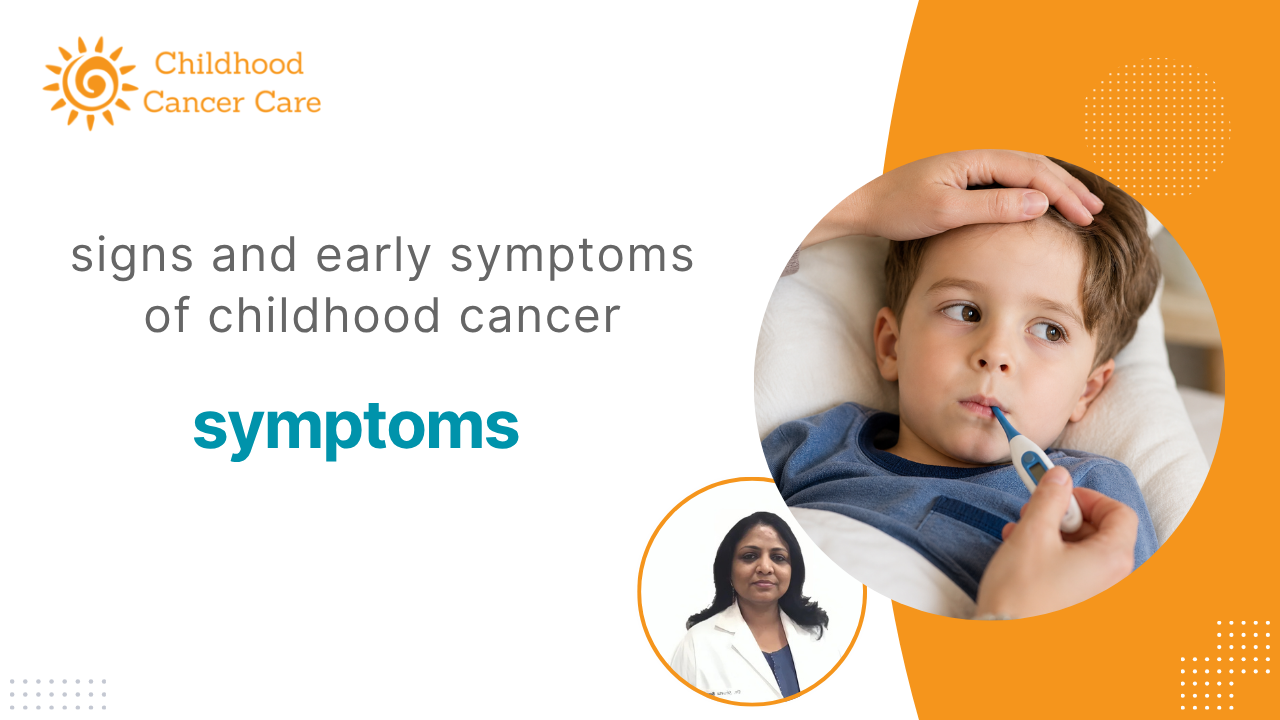
Childhood cancer is rare, but early detection can make a life-saving difference. Many parents often miss the warning signs because symptoms can appear similar to common childhood illnesses. Understanding the early signs of childhood cancer helps ensure timely diagnosis and better outcomes.
In this guide, we explain the most important symptoms of cancer in children, when to seek medical help, and what parents should expect during the diagnosis and treatment journey.
Why Early Detection Matters
Unlike adult cancers, childhood cancers are usually not linked to lifestyle factors. They often develop quickly, making early diagnosis critical. With advances in pediatric cancer care and treatment, survival rates have improved significantly—especially when cancer is detected early.
Being aware of symptoms allows parents to act quickly and consult a specialist before the condition progresses.
Common Signs & Early Symptoms of Childhood Cancer
While symptoms vary depending on the type of cancer, here are the most common warning signs every parent should know:
- 1. Persistent Fatigue and Weakness: If your child feels unusually tired even after proper rest, it could be more than normal fatigue. This may indicate underlying blood-related cancers such as leukemia.
- 2. Frequent Infections or Fever: Repeated infections or prolonged fever without a clear cause can signal issues with the immune system, often seen in pediatric cancer diagnosis cases.
- 3. Unexplained Weight Loss: Sudden weight loss without changes in diet or activity should not be ignored, as it may be an early symptom of cancer in children.
- 4. Easy Bruising or Bleeding: Frequent bruising, nosebleeds, or bleeding gums may point toward blood disorders or leukemia.
- 5. Lumps or Swelling: A painless lump in the abdomen, neck, chest, or pelvis can be an early warning sign. For example, abdominal swelling is commonly seen in kidney tumors like Wilms Tumor.
- 6. Bone Pain or Joint Pain: Persistent pain in bones or joints, especially at night, could be a sign of bone cancer or leukemia.
- 7. Headaches with Vomiting: Severe or recurring headaches, especially accompanied by morning vomiting, may indicate brain tumors.
- 8. Vision Changes: Sudden vision issues, eye swelling, or white reflections in the eye (especially in photos) should be evaluated immediately.
- 9. Persistent Abdominal Pain: Chronic stomach pain, especially when associated with swelling or a mass, needs further medical evaluation.
- 10. Behavioral or Balance Changes: Changes in walking, balance, or personality may signal neurological concerns that require urgent attention.
When Should Parents Be Concerned?
Not every symptom means cancer, but certain patterns should raise concern:
- Symptoms lasting more than 2–3 weeks
- Symptoms that keep recurring
- Multiple symptoms appearing together
- No improvement with regular treatment
If you notice any of these, it’s important to seek expert advice for a proper childhood cancer diagnosis.
How is Childhood Cancer Diagnosed?
If cancer is suspected, doctors may recommend:
- Blood tests to detect abnormalities
- Imaging tests like ultrasound, CT scan, or MRI
- Bone marrow tests for blood cancers
- Biopsy to confirm the diagnosis
Early and accurate diagnosis plays a key role in planning the right childhood cancer treatment options and improving outcomes.
Treatment Options for Childhood Cancer
Treatment depends on the type and stage of cancer. Common approaches include:
- Chemotherapy to destroy cancer cells
- Surgery to remove tumors
- Radiation therapy for targeted treatment
- Immunotherapy and targeted therapy for advanced care
Modern pediatric oncology treatment plans are highly personalized and focus on maximizing recovery while minimizing side effects.
Can Childhood Cancer Be Prevented?
In most cases, childhood cancer cannot be prevented because it is not linked to lifestyle habits. However:
- Early awareness helps in early detection
- Vaccines can prevent certain cancer-related infections
- Regular health check-ups can identify warning signs sooner
Understanding childhood cancer causes and risk factors helps parents stay alert without unnecessary panic.
Consultation:
If you notice any unusual or persistent symptoms in your child, early consultation with a specialist is crucial. Dr. Shweta Bansal, a highly experienced pediatric hemato-oncologist, specializes in diagnosing and treating childhood cancers with a compassionate and personalized approach. From early detection to advanced childhood cancer treatment, she ensures every child receives the best possible care and support. Schedule a consultation today to take a proactive step toward your child’s health and well-being.
Copyright © Childhood Cancer Care | Dr. Shweta Bansal.