How to Reduce Infection Risks During Chemotherapy for Children
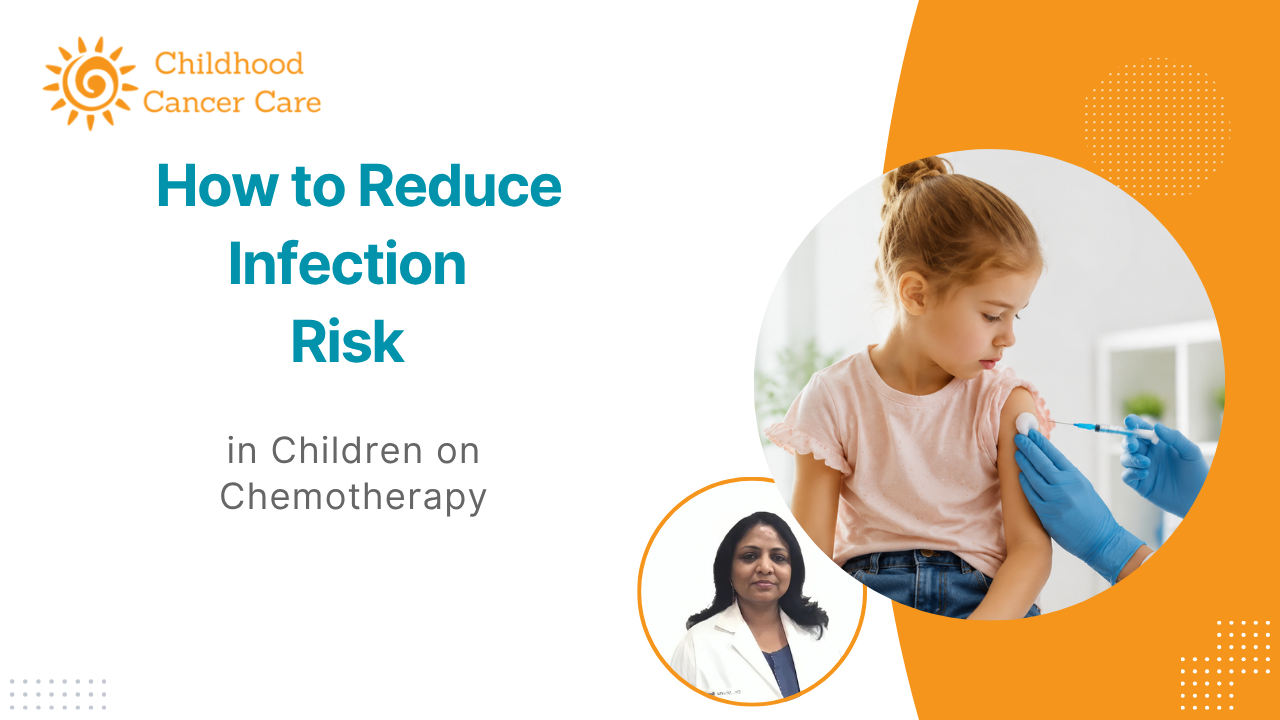
Why Infection Prevention Is Critical During Chemotherapy
Chemotherapy is a powerful treatment used to destroy cancer cells, but it also temporarily weakens the immune system. In children, this can make even common infections more serious.
During this period, protecting the child from infections becomes one of the most important aspects of care. Pediatric oncology experts like Dr. Shweta Bansal guide families with structured infection-prevention strategies tailored to each treatment phase.
Why Children on Chemotherapy Are at Higher Risk
Chemotherapy can reduce the number of white blood cells, especially neutrophils, which are responsible for fighting infections. This leads to:
- Lower immunity (neutropenia)
- Slower recovery from infections
- Higher risk from bacteria, viruses, and fungi
- Increased hospitalizations if infections occur
Even mild infections like a cold may become serious during this period.
Key Ways to Reduce Infection Risk in Children
🧼 1. Strict Hand Hygiene
Handwashing is the most effective way to prevent infection.
- Wash hands with soap for at least 20 seconds
- Clean hands before eating and after using the toilet
- Use alcohol-based sanitizers when washing is not possible
😷 2. Avoid Crowded Places
During chemotherapy cycles, especially when immunity is low:
- Avoid malls, public transport, and crowded events
- Limit visitors at home
- Keep distance from sick individuals
🏠 3. Maintain a Clean Home Environment
A hygienic home reduces exposure to harmful germs:
- Regular cleaning of frequently touched surfaces
- Proper ventilation in rooms
- Safe disposal of waste and used tissues
- Clean toys and personal items regularly
🍎 4. Safe Food Practices
Food hygiene is extremely important:
- Avoid raw or undercooked foods
- Wash fruits and vegetables thoroughly
- Ensure freshly cooked meals
- Avoid outside street food during treatment
💉 5. Follow Vaccination & Medical Guidance
- Follow doctor-recommended vaccination schedules
- Avoid live vaccines unless advised by the oncologist
- Ensure caregivers are also vaccinated (e.g., flu shots)
🤒 6. Monitor Early Signs of Infection
Parents should watch for:
- Fever (most important warning sign)
- Cough or breathing difficulty
- Sore throat or mouth ulcers
- Unusual fatigue or irritability
Immediate medical attention is required if fever develops during chemotherapy.
🧑⚕️ 7. Limit Exposure to Sick Individuals
- Avoid contact with anyone having cold, flu, or infections
- Inform school or caregivers about the child’s condition
- Encourage mask use when needed
When Is Infection Risk Highest?
Infection risk is highest during:
- Chemotherapy “nadir” period (lowest blood counts)
- Intensive chemotherapy cycles
- Post bone marrow transplant phase
- Steroid-heavy treatment phases
During these times, extra precautions are essential.
Role of Parents in Infection Prevention
Parents play a critical role in protecting children by:
- Maintaining strict hygiene routines
- Ensuring medication adherence
- Monitoring symptoms daily
- Communicating regularly with the oncology team
- Avoiding unnecessary exposure risks
Even small precautions can significantly reduce infection chances.
Hospital-Based Infection Protection Measures
Hospitals also follow strict protocols:
- Sterile handling of IV lines
- Protective isolation rooms when needed
- Regular blood count monitoring
- Antibiotics or preventive medications when required
Specialists like Dr. Shweta Bansal design individualized treatment plans to balance cancer therapy and infection prevention.
Emotional Support During Isolation
Infection prevention may limit social interaction, which can be emotionally difficult for children. Helpful strategies include:
- Video calls with friends and family
- Safe indoor activities and learning
- Play therapy or creative hobbies
- Maintaining a daily routine
Emotional care is just as important as physical protection.
When to Contact a Doctor Immediately
Seek urgent medical care if the child has:
- Fever above 100.4°F (38°C)
- Persistent vomiting or diarrhea
- Difficulty breathing
- Severe weakness or drowsiness
- Signs of infection at catheter or IV sites
Expert Pediatric Oncology Care in India
For personalized infection prevention strategies during chemotherapy, families can consult Dr. Shweta Bansal, a leading pediatric haemato-oncologist experienced in:
- Childhood cancers and blood disorders
- Chemotherapy safety protocols
- Bone marrow transplant care
- Infection-risk management in immunocompromised children
👉 Learn more or book consultation:
Conclusion
Reducing infection risk during chemotherapy in children requires a combination of hygiene, awareness, medical supervision, and timely action. With proper precautions, most infections can be prevented or managed early.
Guidance from a pediatric oncology specialist ensures that children receive safe and effective cancer treatment while minimizing complications.
Frequently Asked Questions (FAQs)
Copyright © Childhood Cancer Care | Dr. Shweta Bansal.