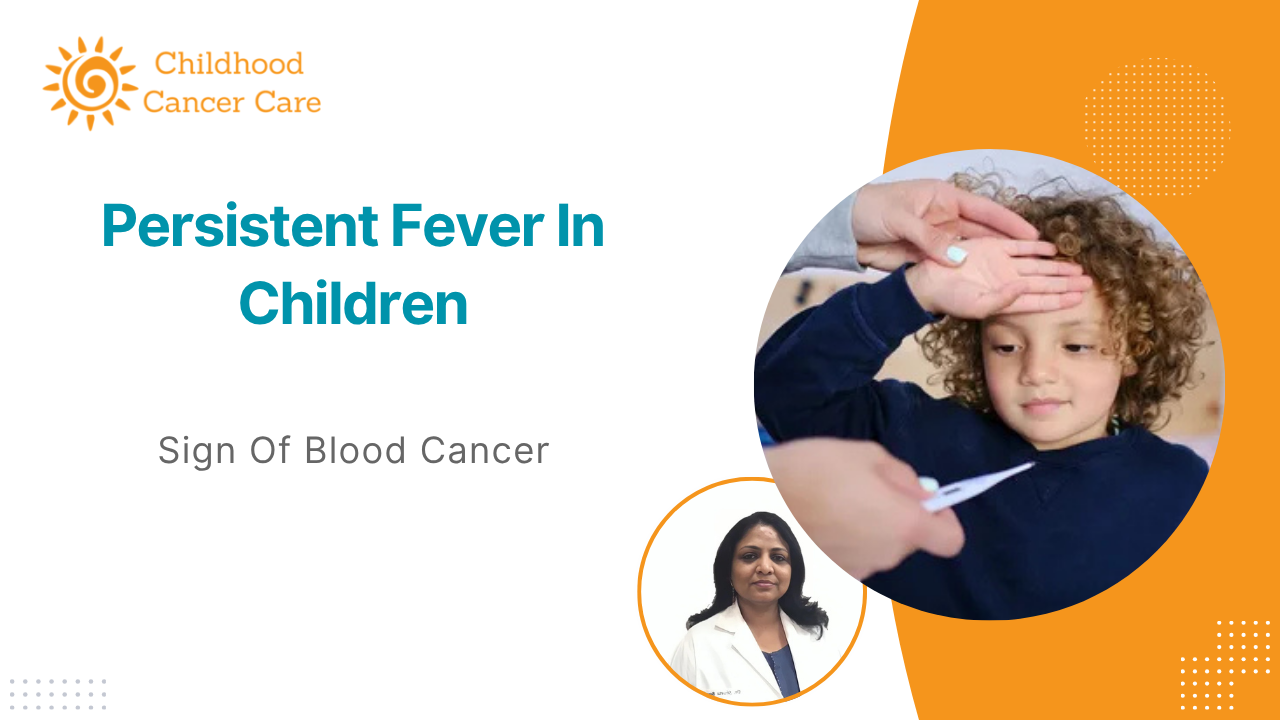
Persistent Fever in Children: Could It Be a Sign of Blood Cancer?
Understanding Fever, Warning Signs & When to Seek Expert Care
Fever is one of the most common health concerns in children and is usually caused by common infections such as viral fever, cold, or flu. However, when a child experiences persistent fever that does not improve, keeps returning, or is accompanied by other unusual symptoms, it may require further medical evaluation.
In some cases, prolonged fever can be associated with underlying blood disorders, including blood cancers such as leukaemia or lymphoma. While most childhood fevers are not related to cancer, recognizing warning signs early can help ensure timely diagnosis and appropriate treatment.
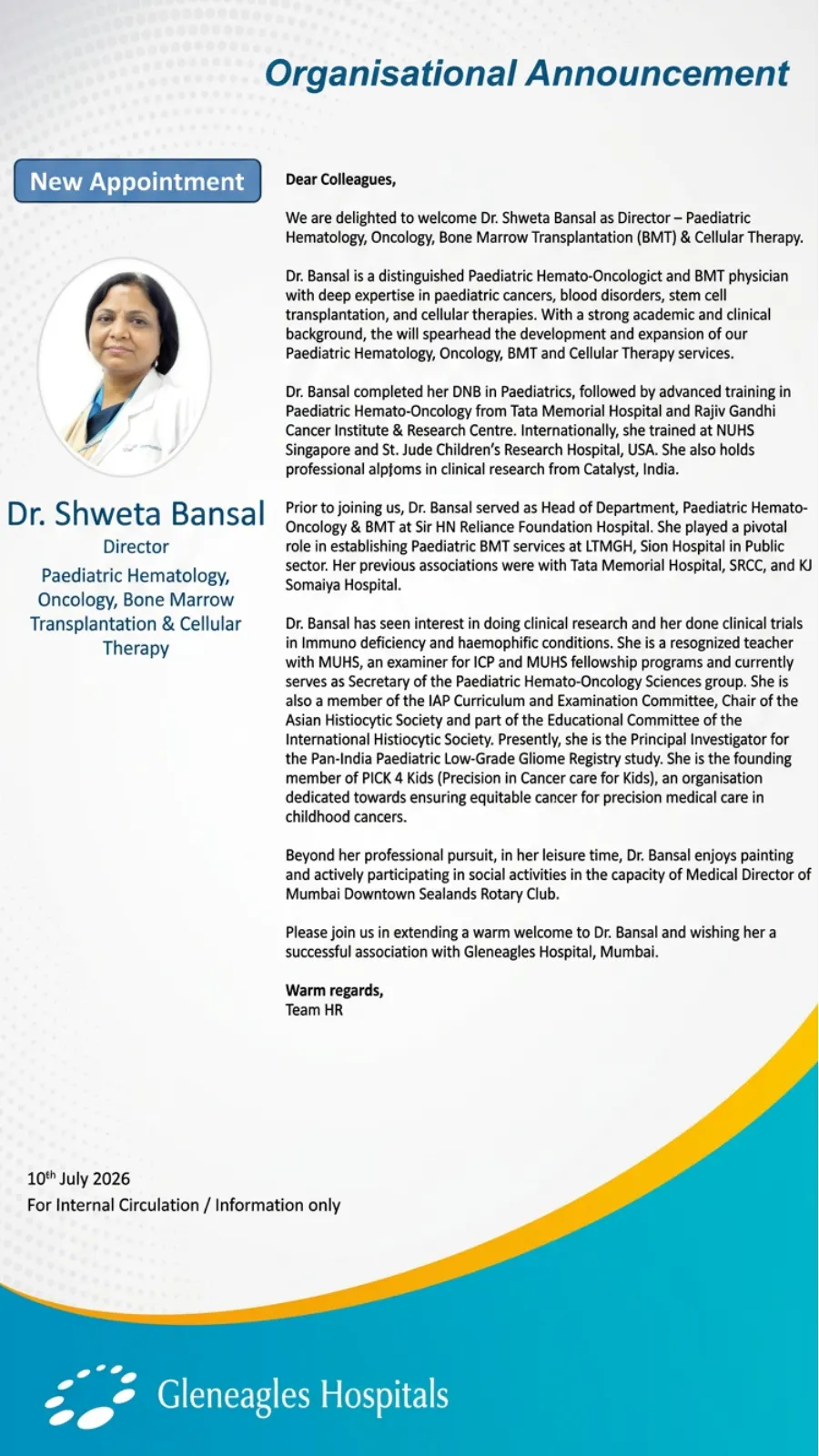
Dr. Shweta Bansal, a leading paediatric haemato-oncologist, provides expert evaluation and treatment guidance for children with persistent fever, blood disorders, and childhood cancers.
🩺 Who Is Dr. Shweta Bansal?
Dr. Shweta Bansal is a highly experienced paediatric haemato-oncologist and bone marrow transplant specialist based in Mumbai. She is the Head of the Paediatric Haemato-Oncology & Bone Marrow Transplant Department at Sir H. N. Reliance Foundation Hospital, Mumbai.
With over 20 years of experience, Dr. Shweta Bansal specializes in diagnosing and treating:
- Childhood blood cancers
- Leukaemia and lymphoma
- Bone marrow disorders
- Thalassemia and inherited blood conditions
- Paediatric cancers
- Bone marrow transplant cases
Her expertise helps families receive accurate diagnosis and personalized treatment plans for complex childhood conditions.
Book a Consultation
🌡️ Why Do Children Get Persistent Fever?
Children commonly develop fever due to infections because their immune systems are still developing.
Common causes include:
- Viral infections
- Bacterial infections
- Respiratory infections
- Urinary tract infections
- Seasonal illnesses
However, fever that lasts longer than expected or occurs repeatedly may need detailed evaluation to identify the underlying cause.
⚠️ When Is Fever Considered Persistent?
A fever may require medical attention when:
- It continues for several days without improvement
- It repeatedly returns after going away
- It occurs without an obvious infection
- It is associated with other unusual symptoms
- The child appears unusually tired or unwell
Persistent fever does not always mean cancer, but it should not be ignored.
🧬 Can Persistent Fever Be a Sign of Blood Cancer?
Yes, persistent fever can sometimes be one of the symptoms associated with childhood blood cancers such as leukaemia or lymphoma.
Blood cancers affect the production and function of normal blood cells, which can impact the body's ability to fight infections and maintain healthy blood counts.
Children with blood cancer may experience fever due to:
- Reduced immunity
- Frequent infections
- Abnormal blood cell production
- Inflammatory responses caused by cancer cells
However, fever alone is rarely enough to diagnose blood cancer. Doctors consider multiple symptoms, examination findings, and test results before reaching a diagnosis.
🚩 Warning Signs Along With Persistent Fever
Parents should seek medical advice if fever is accompanied by:
- Unusual Tiredness or Weakness: A child may appear constantly exhausted, less active, or unusually sleepy.
- Frequent Infections: Repeated infections or infections that take longer to recover may require further evaluation.
- Easy Bruising or Bleeding: Low platelet levels can sometimes cause:
- Frequent bruises
- Nosebleeds
- Bleeding gums
- Pale Skin or Anaemia Symptoms: A child may appear pale or experience weakness due to reduced red blood cells.
- Bone or Joint Pain: Persistent pain in bones or joints, especially with fever, should be evaluated.
- Swollen Lymph Nodes: Enlarged lymph nodes in the neck, armpit, or groin may need medical assessment if they persist.
- Unexplained Weight Loss: Loss of appetite and weight without a clear reason can be a concerning sign.
🔬 How Is Persistent Fever Evaluated in Children?
A paediatric haemato-oncologist may recommend detailed evaluation based on symptoms.
Possible assessments include:
- Complete Blood Count (CBC): Helps evaluate:
- Red blood cells
- White blood cells
- Platelets
- Peripheral Blood Smear: Provides information about blood cell appearance and abnormalities.
- Bone Marrow Examination: May be recommended if blood tests indicate possible bone marrow problems.
- Imaging or Additional Tests: Depending on symptoms, doctors may suggest further investigations.
Early evaluation helps identify the cause and begin appropriate treatment if needed.
🏥 Why Early Diagnosis Matters
When serious conditions are identified early, children have better access to timely treatment and supportive care.
Early consultation helps:
- Identify the actual cause of fever
- Detect blood disorders at an early stage
- Start appropriate treatment quickly
- Reduce unnecessary delays and anxiety
👩⚕️ When Should Parents Consult a Paediatric Haemato-Oncologist?
Consider expert consultation if your child has:
- Fever lasting longer than expected
- Recurrent unexplained fever episodes
- Fever with abnormal blood test results
- Persistent weakness or fatigue
- Unusual bruising or bleeding
- Swollen lymph nodes
- Concerns about blood disorders
A specialist can help determine whether further investigation is needed.
🏆 Why Choose Dr. Shweta Bansal for Childhood Blood Disorder Evaluation?
Dr. Shweta Bansal provides comprehensive care for children with suspected or confirmed blood disorders.
Reasons families choose her include:
- Over 20 years of paediatric haemato-oncology experience
- Expertise in childhood blood cancers and bone marrow disorders
- Advanced diagnostic and treatment approaches
- Personalized care plans for every child
- Compassionate guidance for families throughout treatment
Her approach combines medical expertise with clear communication, helping parents understand every step of their child's healthcare journey.
📞 Consult Dr. Shweta Bansal for Persistent Fever in Children
If your child has persistent fever along with concerning symptoms, timely medical evaluation is important.
Dr. Shweta Bansal offers expert consultation for children with:
- Persistent fever
- Blood disorders
- Childhood cancers
- Bone marrow-related conditions
Get a detailed evaluation and expert guidance from one of India's leading paediatric haemato-oncologists. Contact us today.
Frequently Asked Questions (FAQs)
Copyright © Childhood Cancer Care | Dr. Shweta Bansal.