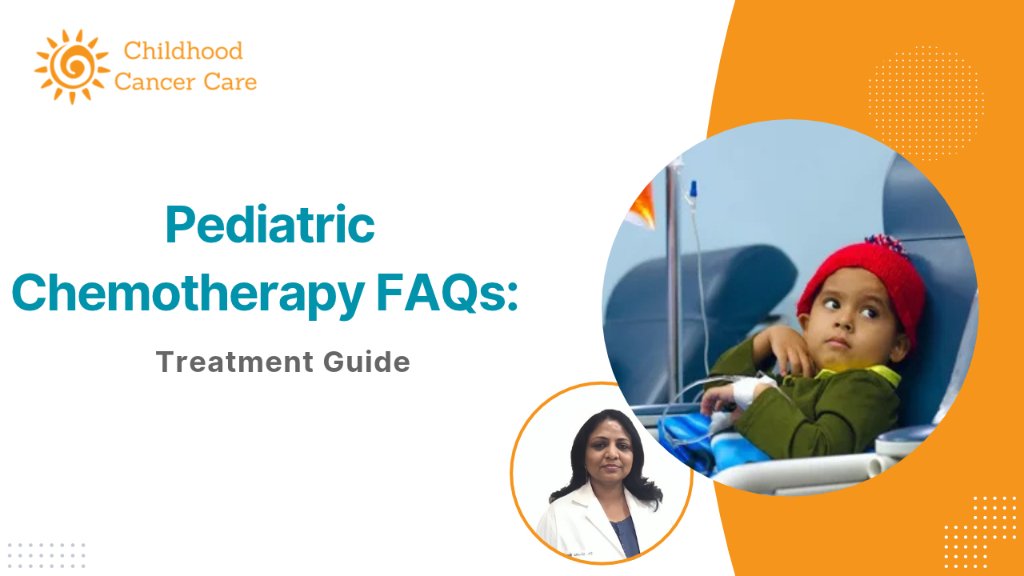
Frequently Asked Questions About Pediatric Chemotherapy
Understanding Chemotherapy in Children
A diagnosis of cancer can be overwhelming for parents, and understanding the treatment process can help families feel more prepared.
Chemotherapy is one of the most important treatments used in paediatric oncology. It uses specialised medicines to destroy cancer cells, control their growth, and prevent them from spreading.
Chemotherapy may be used alone or combined with other treatments such as surgery, radiation therapy, immunotherapy, or bone marrow transplantation, depending on the child's condition.
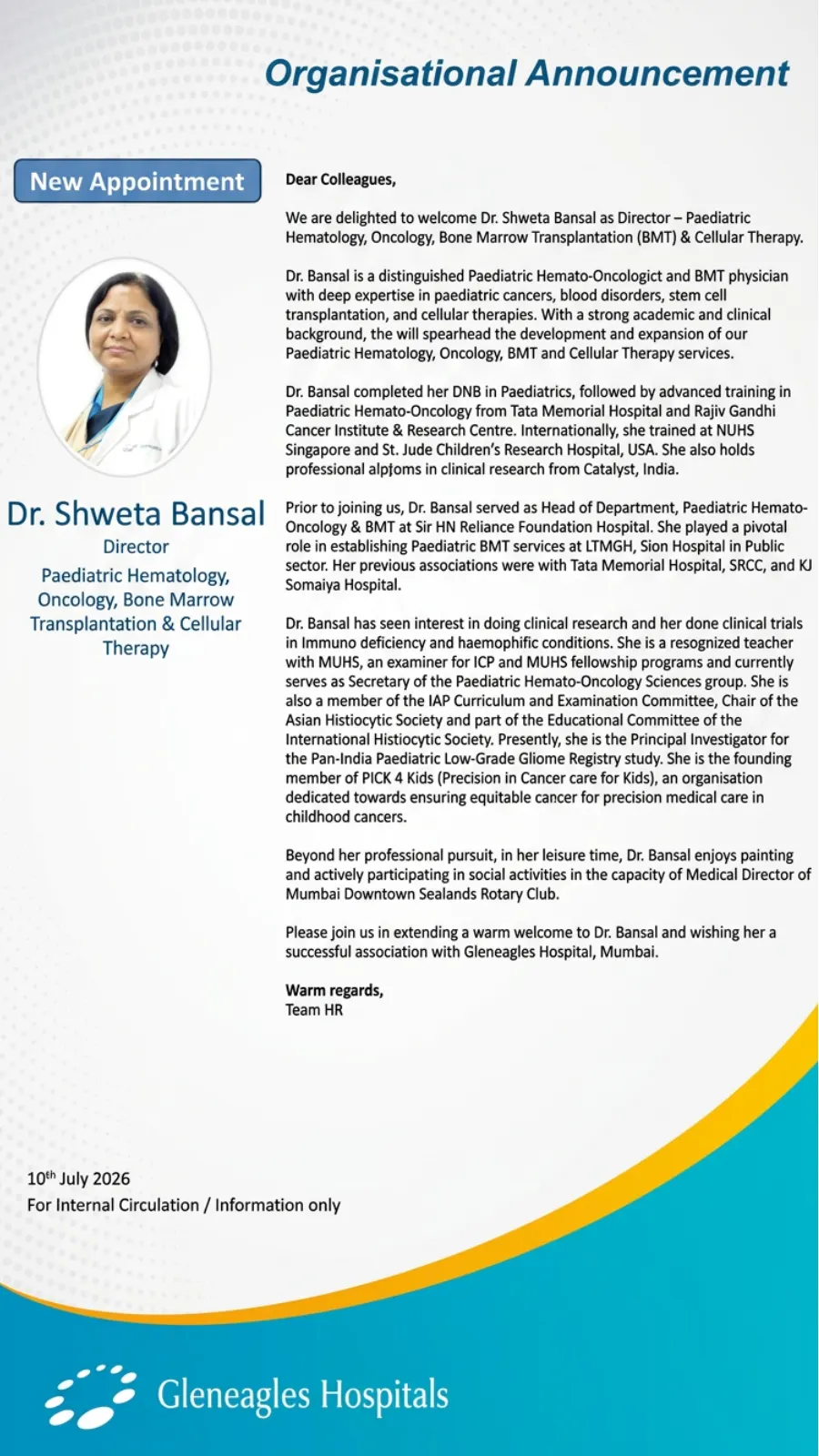
Dr. Shweta Bansal, a leading paediatric haemato-oncologist in Mumbai, provides personalised guidance to children undergoing cancer treatment and supports families throughout their treatment journey.
🩺 What Is Pediatric Chemotherapy?
Pediatric chemotherapy refers to the use of anti-cancer medicines to treat cancers affecting children and adolescents.
These medicines work by:
- Destroying rapidly growing cancer cells
- Preventing cancer cells from multiplying
- Reducing tumour size
- Controlling cancer spread
Chemotherapy protocols are carefully planned according to:
- Type of cancer
- Child’s age and weight
- Cancer stage
- Overall health condition
Frequently Asked Questions About Pediatric Chemotherapy
1. Why Do Children Need Chemotherapy?
Children may receive chemotherapy because many childhood cancers respond well to these medicines.
Chemotherapy can help:
- Treat blood cancers like leukaemia and lymphoma
- Shrink solid tumours before surgery
- Destroy remaining cancer cells after surgery
- Prevent cancer recurrence
The treatment plan is customised according to each child's specific diagnosis.
2. Is Chemotherapy Safe for Children?
Yes, chemotherapy is considered safe when provided by an experienced paediatric oncology team.
Doctors carefully calculate:
- Medicine dosage
- Treatment schedule
- Duration of therapy
- Supportive medications
Children are monitored regularly to manage side effects and ensure the treatment remains effective.
3. How Long Does Pediatric Chemotherapy Take?
The duration of chemotherapy depends on:
- Type of cancer
- Treatment protocol
- Response to therapy
- Child’s overall health
Some children may require treatment for a few months, while others may need longer-term therapy.
The oncology team explains the complete treatment timeline before starting chemotherapy.
4. What Happens During a Chemotherapy Session?
During chemotherapy:
- The child receives prescribed cancer medicines
- Medicines may be given through a vein, injection, or oral tablets
- Doctors monitor the child's health throughout treatment
Sessions may take a few hours depending on the medicines being administered.
5. What Are the Common Side Effects of Chemotherapy in Children?
Chemotherapy affects rapidly dividing cells, which can sometimes cause side effects.
Common side effects include:
- Hair loss
- Tiredness
- Nausea or vomiting
- Reduced appetite
- Low blood cell counts
- Increased risk of infections
Doctors provide supportive treatments to help manage these effects.
6. Will My Child Lose Hair During Chemotherapy?
Some chemotherapy medicines may cause temporary hair loss.
Hair usually begins to grow back after completion of treatment.
Hair loss does not mean the treatment is worsening; it is a common effect of certain chemotherapy medicines.
7. Can Children Go to School During Chemotherapy?
Many children can continue some normal activities depending on:
- Energy levels
- Infection risk
- Treatment schedule
- Doctor’s advice
Parents should discuss school attendance and activity levels with their child's healthcare team.
8. How Can Parents Support a Child During Chemotherapy?
Parents can support their child by:
- Maintaining a nutritious diet
- Encouraging emotional support and communication
- Following infection prevention guidelines
- Keeping regular follow-up appointments
- Helping children maintain normal routines when possible
Emotional support plays an important role throughout treatment.
9. What Tests Are Done During Chemotherapy?
Doctors perform regular monitoring tests, including:
- Blood tests
- Imaging scans when required
- Physical examinations
These tests help doctors evaluate treatment response and manage side effects.
10. Can Childhood Cancer Be Cured After Chemotherapy?
Many childhood cancers have good treatment outcomes, especially when diagnosed early and treated appropriately.
Advances in paediatric oncology have improved survival rates and quality of life for many children.
Each child's outcome depends on factors such as cancer type, stage, and response to treatment.

🧬 Advanced Childhood Cancer Care by Dr. Shweta Bansal
Dr. Shweta Bansal is a renowned paediatric haemato-oncologist in India specialising in childhood cancers, blood disorders, and bone marrow transplant care.
She is the Head of the Paediatric Haemato-Oncology & Bone Marrow Transplant Department at Sir H. N. Reliance Foundation Hospital, Mumbai.
With more than 20 years of experience, Dr. Shweta Bansal provides expert consultation and personalised treatment guidance for children requiring chemotherapy and advanced cancer care.
📞 Consult an Expert Paediatric Haemato-Oncologist
If your child has been diagnosed with cancer or requires chemotherapy guidance, consulting an experienced specialist can help you understand treatment options and the next steps.
Book an online consultation with Dr. Shweta Bansal, an experienced paediatric haemato-oncologist in Mumbai, for expert advice and support.
Visit drshwetabansal.com to schedule your consultation.
Book an Online ConsultationFrequently Asked Questions (FAQs)
Copyright © Childhood Cancer Care | Dr. Shweta Bansal.