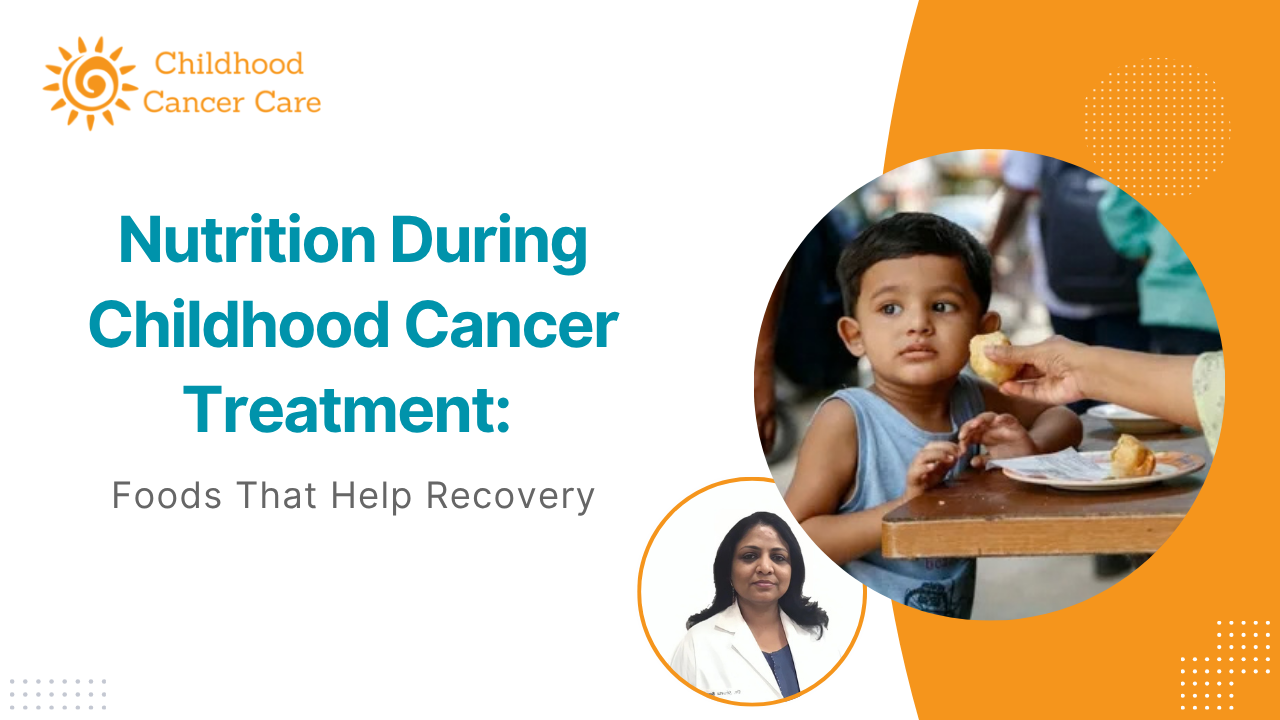
Nutrition During Childhood Cancer Treatment: Foods That Help Recovery
Why Nutrition Matters During Childhood Cancer Treatment
A child's body needs extra support during cancer treatment. Treatments such as chemotherapy, immunotherapy, and bone marrow transplantation can place significant physical stress on the body.
Good nutrition plays an important role in helping children maintain strength, support immunity, recover from treatment effects, and improve overall wellbeing.
However, maintaining a healthy diet during treatment can be challenging. Many children experience changes in appetite, taste, digestion, or eating habits due to medicines and treatment-related side effects.
A personalised nutrition plan, developed with guidance from the healthcare team, helps ensure children receive the nutrients needed during their treatment journey.
Dr. Shweta Bansal, a leading paediatric haemato-oncologist in Mumbai, provides comprehensive care for children undergoing treatment for blood cancers and other complex conditions.
🥗 How Does Nutrition Help During Childhood Cancer Treatment?
Proper nutrition helps children by:
- Supporting immune function
- Maintaining energy levels
- Helping the body recover after treatments
- Supporting healthy growth and development
- Maintaining muscle strength and body weight
- Improving tolerance to treatment
Every child's nutritional needs may vary depending on:
- Type of cancer
- Treatment phase
- Age and growth requirements
- Side effects
- Overall health condition
🍎 Important Nutrients Children Need During Cancer Treatment
1. Protein-Rich Foods for Growth and Recovery
Protein helps repair tissues, maintain muscles, and support healing.
Good sources of protein include:
- Eggs
- Milk and dairy products
- Paneer
- Dal and pulses
- Beans
- Fish and chicken (if suitable)
- Nuts and nut butters
Protein requirements may increase during cancer treatment, making adequate intake important.
2. Energy-Rich Foods to Maintain Strength
Some children may lose appetite during treatment. Energy-dense foods can help provide more calories in smaller portions.
Examples include:
- Healthy oils
- Nuts
- Dairy products
- Smoothies
- Avocado
- Nut-based snacks
These foods help prevent unwanted weight loss.
3. Fruits and Vegetables for Vitamins and Minerals
Fruits and vegetables provide essential vitamins, minerals, and antioxidants.
Depending on treatment and immune status, doctors may advise specific food safety precautions.
Suitable options may include:
- Well-washed fruits
- Cooked vegetables
- Soups
- Fresh homemade preparations
4. Whole Grains for Sustained Energy
Whole grains provide carbohydrates that help maintain daily energy.
Examples include:
- Whole wheat products
- Oats
- Brown rice
- Millets
- Other nutritious grains
🍲 Foods That May Help During Treatment Recovery
Soft and Easy-to-Eat Foods
During periods of low appetite or mouth discomfort, children may prefer:
- Soups
- Khichdi
- Smoothies
- Mashed foods
- Soft cooked meals
Hydrating Foods
Maintaining hydration is important during treatment.
Helpful options include:
- Water
- Coconut water
- Homemade soups
- Fresh juices as advised
- Oral hydration solutions when recommended
⚠️ Managing Common Nutrition Challenges During Treatment
Loss of Appetite
Cancer treatment may reduce hunger.
Helpful strategies:
- Offer smaller frequent meals
- Provide favourite healthy foods
- Avoid forcing meals
- Focus on nutrient-rich options
Nausea and Vomiting
Treatment-related nausea can affect food intake.
Helpful approaches include:
- Small meals throughout the day
- Bland foods
- Adequate fluids
- Following prescribed medicines for nausea
Taste Changes
Some children may experience changes in taste.
Parents can try:
- Different flavours and textures
- Freshly prepared meals
- Child-friendly nutritious options
Mouth Sores
Some treatments may cause mouth discomfort.
Soft foods that are easier to eat may help, based on medical advice.
🛡️ Food Safety During Childhood Cancer Treatment
During cancer treatment, some children may have lower immunity. Food safety becomes especially important.
Parents should focus on:
- Washing fruits and vegetables properly
- Cooking food thoroughly
- Maintaining kitchen hygiene
- Avoiding unsafe or contaminated foods
- Following dietary instructions from the healthcare team
Food recommendations may change depending on the child's treatment stage and blood counts.
🚫 Foods to Limit or Avoid During Treatment
Depending on the child's condition, doctors may advise avoiding:
- Unhygienically prepared foods
- Undercooked eggs or meat
- Unpasteurised dairy products
- Foods with contamination risk
Always follow the recommendations provided by your child's medical team.
👩⚕️ Nutrition Support as Part of Childhood Cancer Care
Nutrition is an important part of comprehensive childhood cancer treatment.
Dr. Shweta Bansal is an experienced paediatric haemato-oncologist in India specialising in childhood cancers, blood disorders, and bone marrow transplantation.
She is the Head of the Paediatric Haemato-Oncology & Bone Marrow Transplant Department at Sir H. N. Reliance Foundation Hospital, Mumbai.
With over 20 years of experience, Dr. Bansal provides complete treatment guidance, including supportive care approaches that help children manage treatment challenges effectively.
Families across India can also access expert guidance through online consultations.
Why Choose Dr. Shweta Bansal for Childhood Cancer Care?
- Expertise in paediatric blood cancers and disorders
- Comprehensive approach including supportive care
- Experience managing complex childhood cancer cases
- Personalised treatment guidance
- Online consultation support across India
📞 Book an Online Consultation
If your child is undergoing cancer treatment and you need expert guidance regarding care, recovery, or treatment support, consulting a paediatric haemato-oncology specialist can help.
Consult Dr. Shweta Bansal, a trusted paediatric haemato-oncologist in Mumbai, for expert advice and personalised care planning.
Visit drshwetabansal.com to schedule an online consultation.
Frequently Asked Questions (FAQs)
Copyright © Childhood Cancer Care | Dr. Shweta Bansal.