Immunotherapy for Childhood Cancer — What's New in 2026?
Introduction
Childhood cancer treatment has improved significantly over the last decade. In 2026, one of the most promising developments in pediatric oncology is immunotherapy — a treatment approach that helps the body's own immune system fight cancer cells more effectively.
Unlike traditional chemotherapy, which attacks both healthy and cancerous cells, immunotherapy is designed to target cancer more precisely. This has opened new hope for children with difficult-to-treat cancers, relapsed cancers, and blood disorders.
Today, many hospitals and pediatric oncology centers in India are adopting advanced immunotherapy treatments as part of comprehensive cancer care for children. Families are increasingly asking whether these newer treatments are safer, more effective, and suitable for their child.
In this article, we'll explore the latest updates in immunotherapy for childhood cancer in 2026, how these treatments work, which cancers they help treat, and what parents should know before considering them.
What Is Immunotherapy?
Immunotherapy is a type of cancer treatment that strengthens or modifies the immune system so it can identify and destroy cancer cells.
Normally, the immune system protects the body from infections and abnormal cells. However, cancer cells can sometimes hide from immune defenses. Immunotherapy helps the immune system recognize these dangerous cells and attack them more effectively.
In pediatric oncology, immunotherapy is becoming an important option for:
- Leukemia
- Lymphoma
- Neuroblastoma
- Brain tumors
- Certain relapsed or resistant cancers
Many experts believe immunotherapy will continue to reshape childhood cancer care over the next few years.
Major Immunotherapy Advances in 2026
Several important developments have emerged in pediatric cancer immunotherapy in 2026.
1. Advanced CAR T-Cell Therapy
CAR T-cell therapy remains one of the biggest breakthroughs in childhood leukemia treatment.
In this treatment:
- A child's T-cells are collected from the blood
- These cells are modified in a laboratory
- The engineered cells are trained to recognize cancer cells
- They are infused back into the body to attack cancer
In 2026, newer CAR T-cell therapies are:
- More targeted
- Associated with fewer side effects
- More effective for relapsed leukemia
- Being studied for solid tumors as well
Children with relapsed Acute Lymphoblastic Leukemia (ALL) are showing improved survival rates with newer CAR T-cell protocols.
2. Immunotherapy for Solid Tumors
Earlier, immunotherapy was mainly successful in blood cancers. Now, researchers are developing treatments for solid tumors in children, including:
- Neuroblastoma
- Brain tumors
- Sarcomas
- Wilms tumor
Combination therapies using immunotherapy with chemotherapy or targeted therapy are showing encouraging results.
3. Personalized Cancer Treatment
One of the biggest trends in 2026 is personalized immunotherapy.
Doctors now use:
- Genetic testing
- Tumor profiling
- Molecular diagnostics
to understand the specific biology of a child's cancer.
This allows specialists to:
- Choose the most effective immunotherapy
- Reduce unnecessary side effects
- Improve treatment outcomes
Personalized medicine is becoming a major part of pediatric oncology care in India.
4. Bispecific Antibodies
Newer bispecific antibodies are helping immune cells directly attack cancer cells.
These medicines work by:
- Connecting immune T-cells to cancer cells
- Triggering a stronger immune response
- Helping the body destroy tumor cells more efficiently
In 2026, bispecific antibody treatments are increasingly being used in pediatric leukemia cases where standard therapy has failed.
5. Reduced Side Effects and Better Supportive Care
One major concern with immunotherapy has been immune-related side effects.
New treatment protocols now focus on:
- Better monitoring
- Early management of complications
- Improved ICU support
- Safer dosing strategies
This has made immunotherapy safer for children compared to earlier years.
Which Childhood Cancers Can Benefit from Immunotherapy?
Immunotherapy is currently used or studied in several pediatric cancers.
| Cancer Type | Immunotherapy Use |
|---|---|
| Leukemia | CAR T-cell therapy and antibodies |
| Lymphoma | Immune-targeted drugs |
| Neuroblastoma | Monoclonal antibody therapy |
| Brain Tumors | Clinical trials and targeted immunotherapy |
| Bone Tumors | Research and combination therapy |
| Relapsed Cancers | Advanced immune-based treatments |
Not every child is eligible for immunotherapy. Treatment decisions depend on:
- Cancer type
- Stage
- Previous treatment response
- Overall health condition
Benefits of Immunotherapy in Children
Some important advantages include:
- More targeted cancer treatment
- Less damage to healthy cells
- Better outcomes in relapsed cancers
- Potentially fewer long-term side effects
- Improved survival rates in certain cancers
- Hope for treatment-resistant disease
For many families, immunotherapy offers new possibilities when standard treatments are not fully successful.
Are There Any Risks or Side Effects?
Like all cancer treatments, immunotherapy can also cause side effects.
Possible complications include:
- Fever
- Fatigue
- Low blood pressure
- Immune reactions
- Breathing difficulties
- Neurological symptoms
CAR T-cell therapy can sometimes cause Cytokine Release Syndrome (CRS), which requires expert monitoring.
This is why immunotherapy should only be given under specialized pediatric oncology supervision.
The Role of Clinical Trials in 2026
Many of the newest immunotherapy treatments are available through clinical trials.
Clinical trials help:
- Improve treatment effectiveness
- Develop safer therapies
- Expand options for difficult cancers
India is increasingly participating in international pediatric oncology research programs, giving more children access to advanced treatment options.
Parents should discuss trial eligibility with experienced pediatric hemato-oncologists.
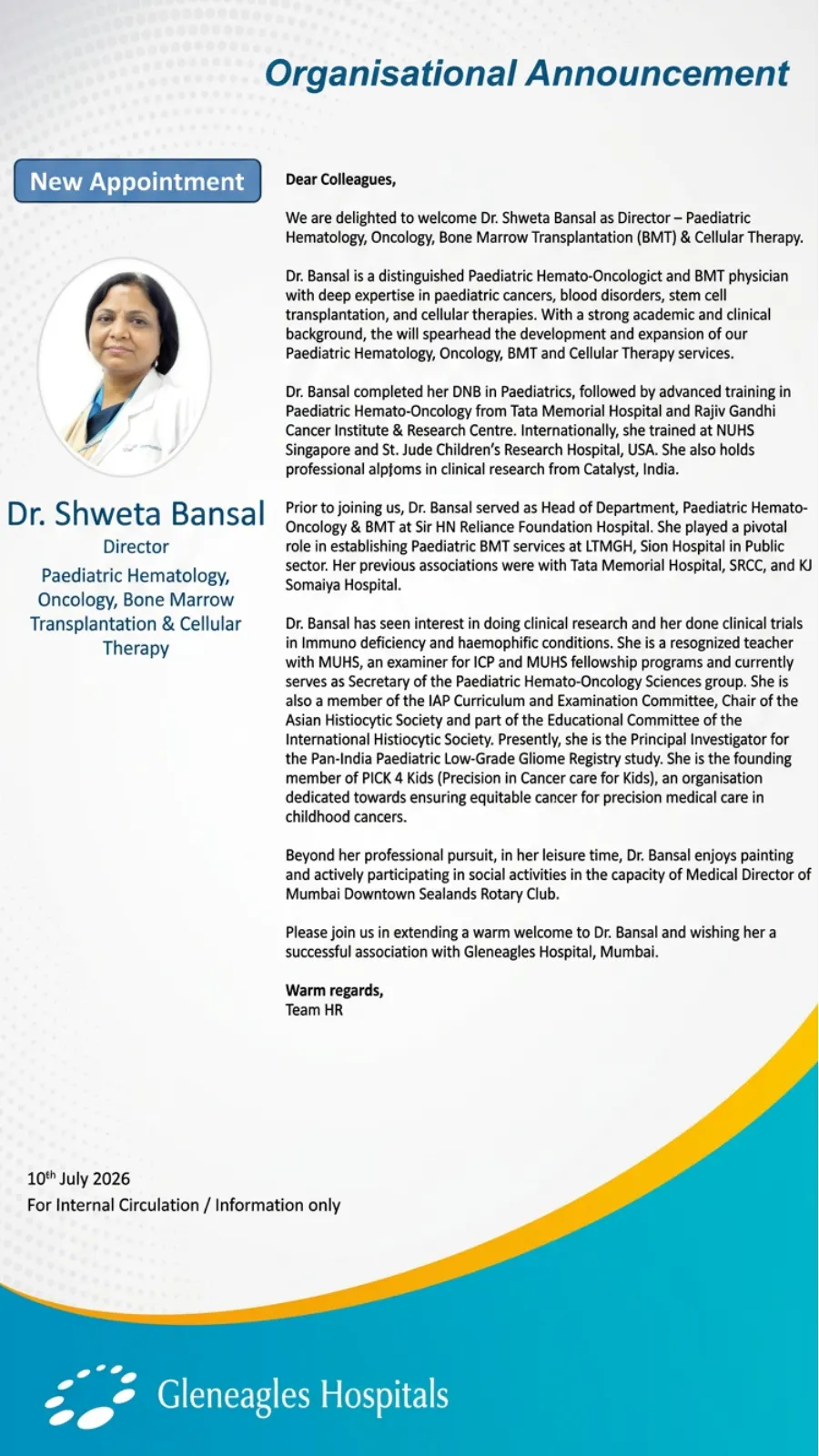
Expert Pediatric Cancer Care by Dr. Shweta Bansal
Families seeking advanced childhood cancer treatment in India can consult Dr. Shweta Bansal, one of the leading Pediatric Hemato-Oncologists and Bone Marrow Transplant Specialists in Mumbai.
About Dr. Shweta Bansal
- Director Pediatric Hematology / Oncology and BMT/ Cellular Therapy at Gleneagles Hospital, Mumbai
- Expertise in leukemia, lymphoma, immunotherapy, and bone marrow transplant
- Specialized pediatric oncology care for infants, children, and adolescents
- Focus on compassionate, evidence-based treatment
Tips for Parents During Immunotherapy Treatment
- Stay Consistent with Follow-Ups — Regular monitoring is extremely important during treatment.
- Focus on Nutrition — Healthy nutrition supports recovery and immunity.
- Support Emotional Health — Cancer treatment can affect both children and parents emotionally. Counseling and support groups can help.
- Prevent Infections — Children receiving immunotherapy may have weakened immunity. Good hygiene and infection prevention are essential.
- Stay Informed — Understanding treatment options helps parents make confident decisions.
Frequently Asked Questions (FAQs)
Conclusion
Immunotherapy is transforming childhood cancer treatment in 2026. From advanced CAR T-cell therapy to personalized medicine and targeted immune treatments, children now have access to more precise and hopeful treatment options than ever before.
Although immunotherapy may not replace traditional cancer treatments entirely, it is becoming a powerful addition to pediatric oncology care — especially for relapsed and difficult cancers.
Early diagnosis, expert guidance, and treatment at specialized centers remain essential for achieving the best outcomes.
If you are exploring advanced childhood cancer treatment options, consulting an experienced pediatric hemato-oncologist like Dr. Shweta Bansal can help families understand the latest therapies and make informed decisions for their child's care.
Copyright © Childhood Cancer Care | Dr. Shweta Bansal.