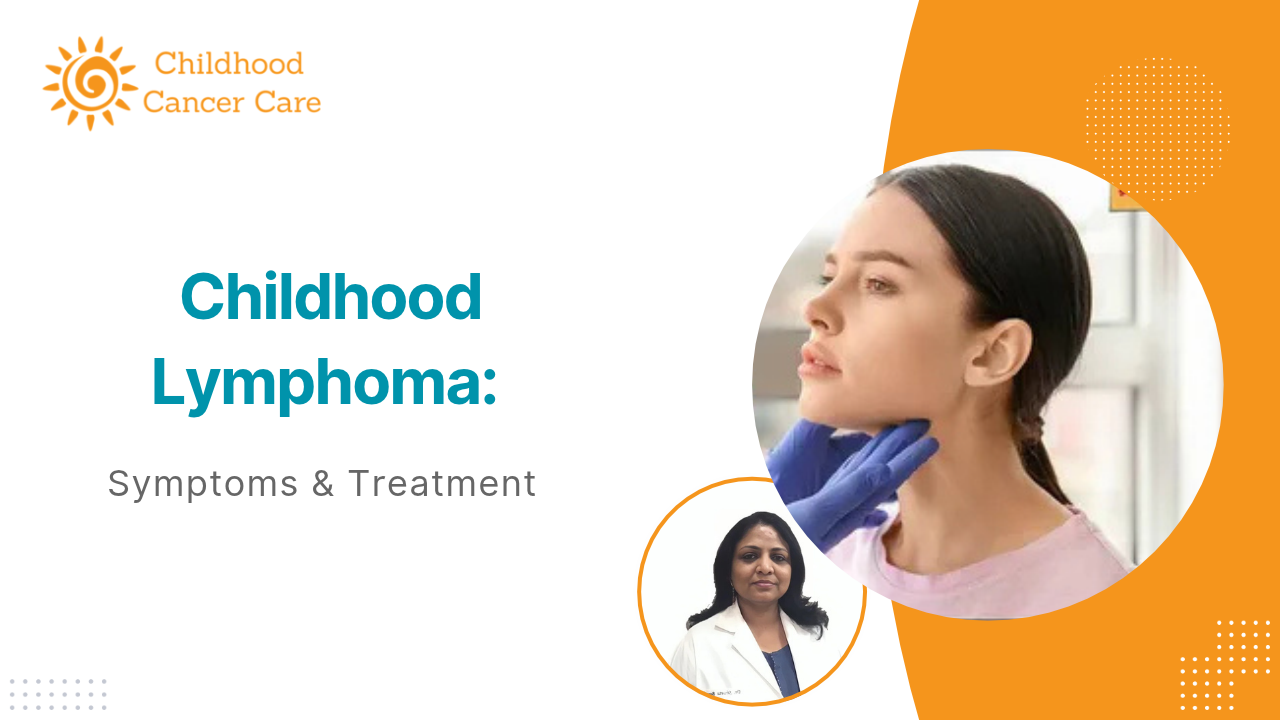
Childhood Lymphoma: Symptoms, Diagnosis & Treatment Options
Understanding Childhood Lymphoma
Lymphoma is a type of blood cancer that affects the lymphatic system, which plays an important role in the body's immune defence. In children, lymphoma occurs when abnormal lymphocytes (a type of white blood cell) grow uncontrollably.
Although hearing the word cancer can be overwhelming for parents, advances in paediatric haemato-oncology have significantly improved diagnosis and treatment outcomes for childhood lymphoma.
Early recognition of symptoms and timely medical evaluation can help children receive appropriate treatment at the right stage.
Dr. Shweta Bansal, a leading paediatric haemato-oncologist in Mumbai, provides specialised care for children with lymphoma and other complex blood disorders.
🧬 What Is Childhood Lymphoma?
Lymphoma develops when lymphocytes begin multiplying abnormally and form cancerous cells.
The lymphatic system includes:
- Lymph nodes
- Spleen
- Bone marrow
- Thymus gland
- Lymphatic vessels
There are two main types of lymphoma seen in children:
1. Hodgkin Lymphoma
Hodgkin lymphoma is commonly seen in adolescents and young adults. It is characterised by the presence of abnormal Reed-Sternberg cells.
2. Non-Hodgkin Lymphoma (NHL)
Non-Hodgkin lymphoma is more common in younger children and includes several subtypes that may grow quickly and require prompt treatment.
⚠️ Symptoms of Childhood Lymphoma Parents Should Know
The symptoms of lymphoma can sometimes resemble common childhood illnesses. However, persistent or unusual signs should be evaluated by a specialist.
1. Swollen Lymph Nodes
One of the most common signs is painless swelling of lymph nodes.
Common areas include:
- Neck
- Underarms
- Chest area
- Groin
Lymph nodes that continue growing or do not reduce over time require medical evaluation.
2. Persistent Fever
Children with lymphoma may experience:
- Unexplained fever
- Repeated fever episodes
- Fever without an obvious infection
3. Night Sweats
Some children may experience excessive sweating during sleep, especially when it occurs along with other symptoms.
4. Unexplained Weight Loss
A sudden decrease in weight without changes in diet or activity may require further assessment.
5. Constant Fatigue
Children may appear unusually tired due to changes affecting blood cells or the body's immune system.
6. Breathing Difficulty or Chest Symptoms
If lymphoma affects lymph nodes inside the chest, children may develop:
- Cough
- Chest discomfort
- Difficulty breathing
7. Frequent Infections
Changes in immune function may increase susceptibility to infections.
🔍 How Is Childhood Lymphoma Diagnosed?
Accurate diagnosis helps doctors identify the lymphoma type and plan the most effective treatment.
1. Physical Examination
The doctor evaluates:
- Enlarged lymph nodes
- Symptoms history
- Overall health condition
- Signs of infection or other concerns
2. Blood Tests
Blood investigations help assess:
- Blood cell counts
- Signs of inflammation
- Organ function
A Complete Blood Count (CBC) is often part of the initial evaluation.
3. Imaging Tests
Imaging helps determine the location and extent of lymphoma.
Tests may include:
- Ultrasound
- CT scan
- MRI
- PET-CT scan
4. Lymph Node Biopsy
A biopsy is an important test for confirming lymphoma.
During this procedure, a small tissue sample from the lymph node is examined under a microscope to identify the exact type of lymphoma.
5. Bone Marrow Examination
In some cases, doctors may perform a bone marrow test to check whether lymphoma has affected bone marrow function.
💊 Treatment Options for Childhood Lymphoma
Treatment depends on:
- Type of lymphoma
- Stage of disease
- Child's age
- Overall health condition
Modern paediatric lymphoma treatment often involves a combination of therapies.
1. Chemotherapy
Chemotherapy uses medicines designed to destroy cancer cells.
It is the main treatment approach for many childhood lymphomas.
2. Immunotherapy and Targeted Treatments
Some children may benefit from newer treatments that help the immune system identify and attack cancer cells.
Targeted therapies work on specific features of cancer cells.
3. Radiation Therapy
Radiation therapy may be recommended in selected cases depending on lymphoma type and treatment response.
4. Stem Cell or Bone Marrow Transplant
For certain high-risk or relapsed lymphomas, stem cell transplantation may be considered.
The decision depends on:
- Disease response
- Previous treatments
- Overall health
🏥 Supportive Care During Treatment
Childhood lymphoma treatment requires comprehensive support to help children manage side effects and maintain quality of life.
Supportive care may include:
- Infection prevention
- Nutritional guidance
- Managing treatment-related side effects
- Emotional and psychological support
- Regular monitoring and follow-ups
🌱 Advances in Childhood Lymphoma Treatment
Medical advancements have improved childhood lymphoma care through:
- Better diagnostic techniques
- More personalised treatment plans
- Improved chemotherapy protocols
- Advanced immunotherapy options
- Improved supportive care
Specialised paediatric haemato-oncology teams focus on achieving effective treatment while reducing long-term complications.
👩⚕️ Expert Care for Childhood Lymphoma
Dr. Shweta Bansal is a renowned paediatric haemato-oncologist in India specialising in childhood cancers, blood disorders, and bone marrow transplant care.
She is the Head of the Paediatric Haemato-Oncology & Bone Marrow Transplant Department at Sir H. N. Reliance Foundation Hospital, Mumbai.
With more than 20 years of experience, Dr. Bansal provides advanced evaluation and treatment guidance for children with lymphoma and other complex blood conditions.
Families across India can access expert advice through online consultations.
Why Choose Dr. Shweta Bansal for Childhood Lymphoma Care?
- Extensive experience in paediatric blood cancers
- Expertise in lymphoma diagnosis and treatment planning
- Advanced multidisciplinary care approach
- Personalised treatment strategies for children
- Long-term follow-up and monitoring support
- Online consultation facility across India
📞 Book an Online Consultation
If your child has persistent swollen lymph nodes, unexplained fever, weight loss, or other concerning symptoms, timely evaluation is important.
Consult Dr. Shweta Bansal, an experienced paediatric haemato-oncologist in Mumbai, for expert guidance on childhood lymphoma diagnosis and treatment options.
Visit drshwetabansal.com to schedule an online consultation.
Book an Online ConsultationFrequently Asked Questions (FAQs)
Copyright © Childhood Cancer Care | Dr. Shweta Bansal.